Find CBT Therapists in Oklahoma
Welcome to CBTTherapistsUSA’s directory for CBT therapists serving Oklahoma. All therapists listed are licensed and include Cognitive Behavioral Therapy among their approaches.
Explore profiles to learn about each clinician’s focus, methods, and background so you can reach out with questions about fit and training.

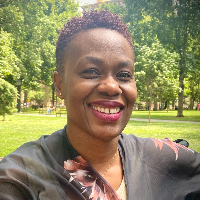








Karla Stewart
LCPC, LPCOklahoma
- 20 yrs exp
Addictions · Relationship · Intimacy-related issues · +4
View Profile



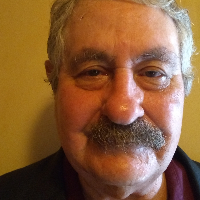
Dr. Anita Russell
OK Psychologist 632Oklahoma
- 30 yrs exp
Stress, Anxiety · Self esteem · Bipolar · +8
View Profile








Overview of CBT availability in Oklahoma
If you are looking for Cognitive Behavioral Therapy in Oklahoma, you will find a range of clinicians who list CBT among their approaches. CBT is widely used across settings because it focuses on the link between thoughts, feelings, and behaviors, and many therapists make it a core part of their work. In Oklahoma you can find clinicians holding a variety of licenses, such as licensed professional counselors, clinical social workers, marriage and family therapists, and psychologists, and many of them include CBT techniques in their practice models. Because CBT is adaptable, it is applied to diverse concerns and across different age groups, and you can expect to encounter therapists who emphasize structured sessions, measurable goals, and practical skill-building.
When you review therapist profiles on this site, you will see information about clinical approaches, specialties, languages, and general experience. Keep in mind that a listing signals that a clinician works with CBT; it does not confirm the specific depth or type of CBT training they have completed. You should feel empowered to ask clinicians about their experience with CBT models, what homework or between-session practice they typically recommend, and how they measure progress in treatment.
Benefits of online CBT for Oklahoma residents
Online CBT brings practical advantages that can be especially helpful if you live in a rural area of Oklahoma or have a busy schedule. With therapy delivered remotely, travel time is reduced and you can connect from a familiar environment, which often makes it easier to practice skills between sessions. CBT’s structured and goal-focused nature translates well to virtual formats because sessions often center on specific techniques, functional assignments, and collaborative problem solving that can be shared and tracked digitally. This structure helps you and your therapist stay focused and make progress even when you are not in the same room.
Another benefit is flexibility. Online delivery can allow for shorter check-ins or targeted sessions focused on particular skills such as cognitive restructuring, exposure exercises, or activity scheduling. You can work on concrete strategies for managing symptoms and test new behaviors in your daily life, then bring observations back to the next session. Many people also find that having materials, worksheets, and recordings accessible online supports consistent practice. If you plan to use online CBT, ask clinicians how they structure digital sessions, what platforms they use, and how they support follow-through between sessions.
Common conditions Oklahoma CBT therapists address
Anxiety and panic-related concerns
One of the most frequent applications of CBT is for anxiety disorders, including generalized anxiety, panic, and social anxiety. CBT techniques help you identify unhelpful thought patterns, test assumptions in real situations, and develop coping strategies to manage fear and avoidance. Therapists who work with CBT will typically help you create a plan for gradual exposure to feared situations and teach skills for tolerating discomfort while you practice new responses.
Depression and mood-related issues
For depression, CBT often focuses on activity scheduling, behavioral activation, and challenging negative thinking that maintains low mood. You will work with a therapist to set achievable goals, rebuild routines that support well-being, and track the relationships between thoughts, behaviors, and emotions. Because CBT emphasizes measurable steps, many people notice clearer indications of progress as they complete between-session tasks and track mood changes over time.
Obsessive-compulsive and trauma-related concerns
CBT methods are also commonly used for obsessive-compulsive disorder and trauma-related symptoms, where specific techniques like exposure and response prevention or trauma-focused cognitive strategies are applied. In these cases, therapists who list CBT among their approaches may combine structured exposure work with skills to manage distress and reduce avoidance. If you have concerns about intrusive thoughts, compulsive behaviors, or trauma memories, discuss with a clinician how they adapt CBT strategies to your needs and what safety supports they provide during exposure-based work.
How the structured nature of CBT works well online
CBT’s predictable session format pairs naturally with online delivery. Sessions often begin with a review of homework or symptom tracking, move into focused skill practice or cognitive work, and end with a plan for between-session assignments. This rhythm is easy to maintain through video sessions, shared documents, and digital worksheets, so you can keep a consistent therapeutic routine. Because CBT is collaborative, the therapist and you set clear goals and agreed-upon steps for progress. Online tools can improve access to worksheets, mood logs, and thought records, and allow you to revisit materials between sessions.
Practicing skills in your everyday setting can be an advantage in an online context. When exposure exercises, behavioral experiments, or habit changes are assignments, you can try them in your own environment and then discuss results with your therapist. That real-world practice is central to CBT and is often easier to integrate when you do not need to travel for sessions. Ask potential clinicians how they assign and review homework, how progress is measured, and what supports they provide if you find exercises challenging between sessions.
Verifying licensure and choosing the right CBT therapist in Oklahoma
How to verify a therapist’s license
Before beginning work with any clinician, it is sensible to confirm licensure and standing. You can ask a therapist directly for their license number and the licensing board that issued it. With that information, use the official Oklahoma state licensing board website or the relevant state government portal to look up an active license, the type of license held, and any public disciplinary history. Different licenses indicate different scopes of practice and educational backgrounds, so reviewing the license type can help you understand a clinician’s qualifications. If you have difficulty locating a license online, contact the issuing board for guidance on verifying credentials.
Practical tips for choosing a therapist who works with CBT
Choosing a clinician is a personal decision and you should look for a match in approach and rapport. Review profiles for stated specialties, years of experience, languages spoken, and descriptions of how they use CBT. When you reach out or during an introductory conversation, ask about the specific CBT methods the clinician uses, how they structure sessions, what types of homework they typically assign, and how they measure outcomes. It is also reasonable to ask about their experience working with your particular concern and any additional modalities they may combine with CBT. Consider whether you prefer shorter, goal-focused treatment or a broader therapeutic approach, and whether the therapist’s communication style and explanations of CBT techniques feel clear and collaborative to you.
Finally, think about practical matters that matter to you such as session length, technology preferences, and how the clinician supports follow-up if you need extra guidance on an assignment. You can compare focus areas, therapeutic approaches, credentials, languages, and years of experience to help decide which profiles merit further conversation. If you are unsure about a clinician’s fit, a brief introductory call or message can give you a sense of how they explain CBT and whether their approach aligns with your goals.
By focusing on clinicians who list CBT among their approaches and by verifying licensure and asking targeted questions about methods and experience, you can find a therapist in Oklahoma whose style and skills are aligned with your needs. Use the directory profiles to gather information, prepare questions about training and techniques, and choose a clinician who discusses CBT in a way that feels practical and actionable for your life.
Browse Specialties in Oklahoma
Mental Health Conditions (20 have therapists)
Addictions
7455 therapists
ADHD
6711 therapists
Anger
9281 therapists
Bipolar
6589 therapists
Depression
12849 therapists
Eating Disorders
2892 therapists
Grief
10265 therapists
Guilt and Shame
9013 therapists
Impulsivity
5183 therapists
Isolation / Loneliness
8366 therapists
Mood Disorders
7355 therapists
OCD
3484 therapists
Panic Disorder and Panic Attacks
6347 therapists
Phobias
2452 therapists
Post-Traumatic Stress
7789 therapists
Self Esteem
12541 therapists
Self-Harm
3677 therapists
Social Anxiety and Phobia
8152 therapists
Stress & Anxiety
13723 therapists
Trauma and Abuse
10862 therapists