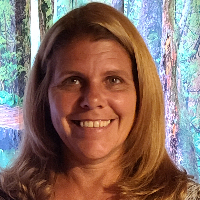
Velma Jones
LCSWNew York
- 29 yrs exp
Stress, Anxiety · Relationship · Trauma and abuse · +11
View ProfileThe therapist listings are provided by BetterHelp and we will earn a commission if you use our link - at no cost to you.
This page lists therapists who include Cognitive Behavioral Therapy among their approaches and indicate a focus on phobias. Browse the listings below to review profiles, approaches, credentials, and experience with CBT for phobias.
New York
Stress, Anxiety · Relationship · Trauma and abuse · +11
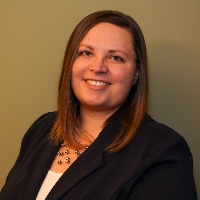
View ProfileCalifornia
Stress, Anxiety · Relationship · Family · +10
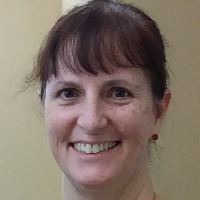
View ProfileMaryland
Stress, Anxiety · Trauma and abuse · Self esteem · +11
View ProfileNorth Carolina
Stress, Anxiety · Relationship · Family · +17
View ProfileIllinois
Stress, Anxiety · Trauma and abuse · Parenting · +13
View ProfileFlorida
Stress, Anxiety · Grief · Anger · +16
View ProfileA phobia is an intense, persistent fear of a specific object, situation, or activity that most people see as harmless. When you have a phobia, you may experience overwhelming anxiety at the thought of encountering the feared stimulus, or you may go to great lengths to avoid it. That avoidance can interfere with work, relationships, travel, or daily routines. For some people the fear is linked to animals, heights, flying, needles, or blood. For others it shows up as social fears or fear of specific situations such as driving or enclosed spaces. Phobias can emerge at any age and vary in severity from mild discomfort to debilitating panic-like reactions.
Living with a phobia often involves a cycle where fearful thoughts increase anxiety, and anxiety-driven avoidance prevents opportunities to learn that the feared outcome is unlikely or manageable. That cycle can make the fear feel permanent, but many people find meaningful change through structured therapeutic approaches. When you seek help, understanding how a specific therapeutic model approaches phobias can clarify what your sessions will look like and what steps you might take between appointments.
Cognitive Behavioral Therapy centers on the connection between thoughts, feelings, and behavior. If you are avoiding an airplane because you expect a catastrophe every time you fly, the thought drives the anxiety and the avoidance. In CBT you explore and test those predictions. Therapists who list CBT among their approaches often use techniques like guided discovery and cognitive restructuring to help you identify automatic catastrophic thoughts, examine the evidence for and against those thoughts, and develop balanced alternatives. This process reduces the intensity of fear by changing the way you interpret triggers.
Alongside cognitive work, CBT places strong emphasis on behavioral change. Exposure methods are central to treating phobias. Exposure involves facing feared situations in a gradual, planned way so that fear naturally decreases through repeated contact - a process called habituation or fear extinction. You might start with imagined exposure or low-intensity real-life steps, then progress up a hierarchy toward more challenging exposures. Therapists who work with CBT combine cognitive strategies and exposure so that your beliefs and behaviors shift together, reinforcing each other and making gains more durable.
Initial sessions typically focus on assessment and creating a clear, shared formulation of the problem. Your therapist will ask about the history of the fear, how it shows up in your life, and what you hope to change. Together you will identify specific, measurable goals so you can track progress. Because CBT is structured, sessions often follow an agenda that balances review, new skill learning, and planning for homework.
In-session techniques commonly include thought records, behavioral experiments, and guided exposure. Thought records help you capture the automatic negative predictions that arise in feared situations and test them with evidence. Behavioral experiments let you test specific predictions in real time - for example, deliberately approaching a feared object to see what actually happens. Exposure work is carefully paced; you and your therapist build an exposure hierarchy and practice steps that feel challenging but manageable. Homework is central to CBT because the learning that reduces phobic fear often happens through repeated practice outside the session. Expect assignments that involve practicing exposures, running behavioral experiments, and applying cognitive strategies between appointments to consolidate gains.
A large body of research supports CBT as an effective approach for a range of phobic conditions. Clinical trials and reviews indicate that approaches combining cognitive restructuring with structured exposure produce meaningful reductions in fear and avoidance for many people. Evidence shows that improvements made with CBT are often maintained over time when techniques like gradual exposure and relapse prevention are part of treatment. Research also highlights that active, repeated practice is a key ingredient - treatments that emphasize real-world exposures and behavioral experiments tend to show stronger outcomes than those that rely on talk alone.
While no treatment guarantees complete elimination of fear for every person, many people experience substantial relief in functioning and anxiety levels through CBT-based work. When you review evidence, note that studies vary in method and sample. That is why it is reasonable to ask prospective therapists about their experience applying CBT techniques to the specific type of phobia you are facing and to discuss what outcome measures they use in practice.
The structured nature of CBT lends itself well to virtual sessions. If you choose video or telehealth appointments, your therapist can guide you through cognitive exercises, lead imaginal exposures, and coach you during real-time in vivo steps when appropriate. Online sessions make it possible to practice exposures in the actual environments that trigger your fear, such as your home, a local transit station, or a public space. Many people find online work convenient because it reduces travel barriers and lets you bring therapy directly into the contexts where anxiety occurs. If you plan to use virtual sessions, discuss how your therapist manages safety planning, emergency procedures, and practical steps for conducting exposures when you are not in the same room.
When you look through listings, focus on fit as much as credentials. Review profiles to see whether a therapist lists CBT among their approaches and whether they describe experience working with specific phobias similar to yours. Ask about the therapist's approach to exposure - some clinicians favor gradual in vivo exposure while others incorporate imaginal or interoceptive techniques - and whether they include cognitive restructuring and behavioral experiments as part of a comprehensive plan. It is reasonable to inquire about licensure and to verify credentials with the appropriate state board; doing so helps you confirm that clinical standards and regulatory requirements are met. You can also ask about languages spoken, years of clinical experience, typical session length, and how progress is measured.
Therapeutic fit matters. Pay attention to whether the therapist's communication style and proposed plan resonate with you during initial conversations. Trust your judgment about whether you feel understood and whether the goals and homework expectations are ones you can realistically pursue. Because CBT relies on practice between sessions, choose a clinician who explains homework clearly and helps you troubleshoot barriers to doing it. Finally, be proactive about asking how relapse prevention is integrated into treatment so that you leave therapy with tools to manage flare-ups in the future.
If you are ready to explore CBT for a phobia, use the listings to review clinicians who list CBT among their approaches and to gather information about their stated focus and credentials. When you contact a therapist, ask about their experience treating the kind of fear you face, how they structure exposure work, and how they involve homework and measurement in treatment. Open conversations about training, licensure, and clinical approach help you make an informed decision and set clear expectations. With structured practice and a collaborative plan, many people find they can reduce avoidance and reclaim activities that matter to them.
Finding the right therapist and approach is a personal process. Take your time to review profiles, prepare questions that matter to you, and choose a clinician whose style and plan feel like a good match for your goals.
Alabama
234 therapists
Alaska
20 therapists
Arizona
209 therapists
Arkansas
110 therapists
California
1110 therapists
Colorado
317 therapists
Connecticut
125 therapists
Delaware
44 therapists
District of Columbia
39 therapists
Florida
1656 therapists
Georgia
582 therapists
Hawaii
54 therapists
Idaho
89 therapists
Illinois
498 therapists
Indiana
253 therapists
Iowa
70 therapists
Kansas
113 therapists
Kentucky
173 therapists
Louisiana
302 therapists
Maine
64 therapists
Maryland
206 therapists
Massachusetts
176 therapists
Michigan
566 therapists
Minnesota
192 therapists
Mississippi
158 therapists
Missouri
394 therapists
Montana
87 therapists
Nebraska
82 therapists
Nevada
85 therapists
New Hampshire
43 therapists
New Jersey
319 therapists
New Mexico
86 therapists
New York
696 therapists
North Carolina
658 therapists
North Dakota
16 therapists
Ohio
385 therapists
Oklahoma
250 therapists
Oregon
118 therapists
Pennsylvania
487 therapists
Rhode Island
27 therapists
South Carolina
299 therapists
South Dakota
31 therapists
Tennessee
245 therapists
Texas
1553 therapists
Utah
137 therapists
Vermont
27 therapists
Virginia
302 therapists
Washington
210 therapists
West Virginia
53 therapists
Wisconsin
239 therapists
Wyoming
44 therapists