Find CBT Therapists in Idaho
Welcome to CBTTherapistsUSA's directory of online CBT therapists serving Idaho. All listed clinicians are licensed and list Cognitive Behavioral Therapy among their approaches - explore profiles to learn about their credentials, approach, and experience.













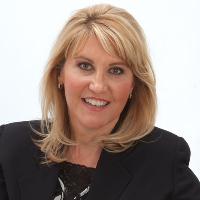
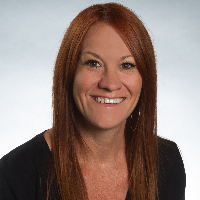
Pamela (Pam) Skon
LICSW, LCSWIdaho
- 12 yrs exp
Stress, Anxiety · Trauma and abuse · Self esteem · +15
View Profile





Overview of CBT availability for Idaho residents
If you are looking for therapists who work with Cognitive Behavioral Therapy in Idaho, you will find a range of licensed clinicians across the state who list CBT among their clinical approaches. These clinicians include psychologists, licensed professional counselors, social workers, and other mental health professionals who indicate they work with CBT methods. Many have adapted their practices to offer sessions remotely so you can connect from Boise, a small mountain community, or anywhere in between without traveling long distances. While listing CBT among a clinician's approaches signals that they work with CBT concepts, it does not by itself document specific training or specialization. You should feel empowered to ask questions about how a therapist uses CBT in their practice, what experience they have with the techniques that interest you, and how they typically structure a course of CBT for the concerns you want to address.
CBT is widely used because it focuses on the relationship between thoughts, feelings, and behavior, and because it is typically structured and time-limited. In Idaho, therapists who list CBT among their approaches apply it in many settings and with varied client needs, often combining core CBT techniques with other modalities when appropriate. When you search listings, look for information about the clinician's professional credentials, languages spoken, population focus, and stated methods. These details help you form a sense of fit before you initiate contact.
Benefits of online CBT for Idaho residents
When you choose online CBT, you gain access to a structured, skills-focused approach without the constraints of geography. For people in rural or remote parts of Idaho, online sessions reduce travel time and make it easier to maintain regular appointments despite weather, work schedules, or caregiving responsibilities. The structured nature of CBT - with clear session goals, measurable objectives, and practice assignments between sessions - pairs well with remote delivery. You and your therapist can use worksheets, thought records, and behavioral experiments that you fill out digitally or print at home, and then review together during sessions.
Online CBT also supports continuity across life transitions. If you move within Idaho for work or education, you can continue working with the same clinician provided licensure and jurisdiction allow it. The format can be particularly useful when therapy emphasizes in-the-moment skills practice, because you can apply learning to your actual environment and then bring observations back to the next session. To get the most from online CBT you will want to make a consistent space for sessions, set aside time for between-session practice, and discuss with your therapist how they track progress so you can see measurable change over time.
Common concerns CBT therapists in Idaho treat
CBT is used for a broad range of emotional and behavioral challenges because it targets the connections between what you think, how you feel, and what you do. Many therapists who list CBT among their approaches in Idaho focus on anxiety disorders, including generalized anxiety, social anxiety, panic, and phobias. You may find clinicians who apply exposure-based strategies and cognitive restructuring to help you reduce avoidance and reinterpret unhelpful thoughts. Depression is another common focus, where behavioral activation and cognitive reframing are often used to increase engagement with meaningful activities and alter patterns of negative thinking.
Other areas frequently addressed with CBT methods include obsessive-compulsive symptoms, stress management, insomnia, chronic health concerns that include behavioral components, and problem-solving for day-to-day difficulties. Some clinicians use CBT techniques to support people coping with grief or life changes, while others integrate CBT with approaches to address substance-related patterns. When exploring listings, look for descriptions of clinical focus and ask how a clinician adapts CBT techniques for the particular issue you want to address. This helps you understand how CBT skills would be applied to your situation.
How the structured nature of CBT works well online
You may appreciate how CBT's structured format translates to virtual sessions. Typically, a CBT-informed course of work begins with clear goal setting, an initial assessment of patterns that link thoughts, feelings, and behavior, and the development of a plan with specific steps to practice between sessions. In an online environment you and your therapist can use shared documents, digital worksheets, mood tracking apps, and agreed-upon homework tasks to reinforce learning. Each session often follows a predictable rhythm - review of homework and progress, targeted skill teaching or behavior rehearsal, and assignment of practice for the next week - which helps you see incremental change over time.
The online format also enables flexibility in how tools are used. If you are working on exposure tasks, for example, you can practice in your own environment and then process what happened with your therapist. Cognitive restructuring exercises can be completed in real time with screen sharing or through forms you both access. Because CBT emphasizes active participation and practice, it's important to choose a clinician who describes their process for between-session work and how they measure outcomes. Asking about typical session structure, the kinds of homework you would be expected to do, and how progress is reviewed will give you a clearer picture of how CBT will be delivered online.
Verifying licensure and choosing the right CBT clinician in Idaho
Verifying that a clinician is licensed and in good standing is an important step when you consider therapy. You can confirm licensure by checking Idaho's licensing resources for the appropriate profession. Look up the license type shown in a clinician's profile, such as licensed clinical social worker, psychologist, or counselor, and use the state board search tool to confirm active status and whether any disciplinary actions are listed. You may also ask the clinician directly for their license number and the licensing board that issued it so you can verify the record yourself.
When choosing a CBT clinician, consider more than the label of CBT on a profile. Compare focus areas, approaches, credentials, languages spoken, and experience to find a match with your needs. Ask potential clinicians how they apply CBT for the issues you want to address, what a typical treatment plan looks like, how long they expect work to last, and what kinds of homework or practice they assign. Inquire about their experience with any specific techniques that are important to you, such as exposure work for obsessive-compulsive symptoms or behavioral activation for depression. It is reasonable to ask how they measure progress and how adjustments are made if you and your therapist decide the initial plan is not producing the expected results.
Finally, discuss practical considerations such as session format, fee structure, insurance or payment options, and what technology is needed for online sessions. A good fit is both clinical and practical - you want a clinician whose approach resonates with how you prefer to work and whose logistics align with your life. Remember that a profile noting CBT among approaches is a starting point; direct questions about specific CBT experience and verification of licensure will help you choose a clinician in Idaho who matches your goals and expectations.
Browse Specialties in Idaho
Mental Health Conditions (20 have therapists)
Addictions
7455 therapists
ADHD
6711 therapists
Anger
9281 therapists
Bipolar
6589 therapists
Depression
12849 therapists
Eating Disorders
2892 therapists
Grief
10265 therapists
Guilt and Shame
9013 therapists
Impulsivity
5183 therapists
Isolation / Loneliness
8366 therapists
Mood Disorders
7355 therapists
OCD
3484 therapists
Panic Disorder and Panic Attacks
6347 therapists
Phobias
2452 therapists
Post-Traumatic Stress
7789 therapists
Self Esteem
12541 therapists
Self-Harm
3677 therapists
Social Anxiety and Phobia
8152 therapists
Stress & Anxiety
13723 therapists
Trauma and Abuse
10862 therapists