
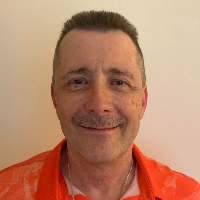
Stephen (Steve) Yates
Support for stress, relationships, and life transitions
LMFT Idaho
- Experience
- 35 years in practice
- Focus areas
- Stress, Anxiety, Relationship, Family
- Approaches
- Cognitive Behavioral Therapy (CBT), Acceptance and Commitment Therapy (ACT)
- Languages
- English
About Stephen
Stephen (Steve) Yates brings 35 years of clinical experience to his work as an LMFT in Idaho, helping people navigate stress, anxiety, depression, relationship and family difficulties, grief, trauma, and issues with intimacy and self-esteem.
Background and approach
He also addresses parenting challenges, anger, bipolar symptoms, and life transitions, and offers focused support around conditions such as autism and Asperger syndrome, codependency, addiction, and obsessive-compulsive concerns. Steve’s background includes individual and couple work as well as inpatient and outpatient settings, which has shaped a flexible, practice-oriented approach.
Rather than relying on a single method, he blends tools from Cognitive Behavioral Therapy (CBT), Acceptance and Commitment Therapy (ACT), Client-Centered Therapy, Dialectical Behavior Therapy (DBT), and Emotionally-Focused Therapy (EFT) to fit each person’s needs.
He draws on varied training experiences, including hypnotherapy and spiritual counseling, and has even trained as a hostage negotiator, informing his calm, strategic stance in difficult moments. Steve frames therapy as a collaborative search for what works best, offering practical ideas and methods intended to produce meaningful change in day-to-day functioning and well-being.
Approaches that guide online sessions
Stephen commonly integrates Cognitive Behavioral Therapy and Acceptance and Commitment Therapy in his online work. CBT focuses on identifying and changing unhelpful thinking and behavior patterns, which can be useful for anxiety, depression, obsessions, and mood regulation. ACT emphasizes noticing thoughts and values-driven action, helping people build a meaningful life alongside difficult internal experiences.
He also uses client-centered principles, which prioritize empathy, validation, and collaboration so clients feel heard while choosing strategies that fit their goals. Finding the right approach is part of the therapeutic process, and he works with each person to determine which methods align with their needs, preferences, and objectives in a collaborative way.
Online therapy offers practical flexibility: sessions are available by video call, phone, live chat, or text-based messaging, making it easier to fit support into busy schedules or to connect from different locations. These options allow ongoing contact, brief check-ins, or regular sessions depending on what best supports progress and daily functioning.
Frequently asked questions
What issues does this therapist commonly address?
What is his therapeutic style and approach?
How much clinical experience does he have?
What credentials and location information are listed?
In what languages and with which international clients can he work?
Which session formats are available?
How are fees and subscriptions handled?
What are the steps to begin working together?
Areas of expertise
Primary focus
Also works with
Additional focus areas
Therapeutic approaches
Experience
35+ years
Licensed
Idaho
Languages
English