Find CBT Therapists in North Carolina
Welcome if you are looking for CBT therapists who work with clients in North Carolina. All therapists listed on this page are licensed and list CBT among their approaches. Explore profiles to learn about backgrounds, specialties, and languages offered.




Stephen Richardson
LCSW, LISW-CPNorth Carolina
- 10 yrs exp
Stress, Anxiety · Relationship · Family · +17
View Profile
Dr. Shelia Williamson Collins
LPC, LCPCNorth Carolina
- 18 yrs exp
Stress, Anxiety · Addictions · Trauma and abuse · +14
View Profile
Jamesetter Credell
LCMHCNorth Carolina
- 15 yrs exp
Stress, Anxiety · Relationship · Anger · +13
View Profile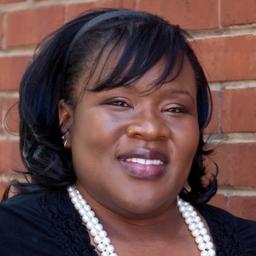
Pamela Harris-Jones
LCMHCNorth Carolina
- 11 yrs exp
Stress, Anxiety · Addictions · Family · +11
View Profile


Theresa Shultz
LCSWNorth Carolina
- 16 yrs exp
Stress, Anxiety · Addictions · Trauma and abuse · +14
View Profile
Paul Jones
LCSWNorth Carolina
- 8 yrs exp
Stress, Anxiety · Trauma and abuse · Parenting · +9
View Profile
Saundra Burleson
LCMHCNorth Carolina
- 13 yrs exp
Stress, Anxiety · Addictions · Intimacy-related issues · +11
View Profile


Donna Cummings
LPC, LCMHCNorth Carolina
- 20 yrs exp
Stress, Anxiety · Parenting · Self esteem · +16
View Profile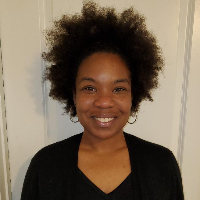

Tawnya Thompson
LCMHCNorth Carolina
- 25 yrs exp
Stress, Anxiety · Relationship · Depression · +2
View Profile


Amy Penley
LMFTNorth Carolina
- 10 yrs exp
Stress, Anxiety · Relationship · Trauma and abuse · +12
View Profile

Tiffany Herrera
LCMHCNorth Carolina
- 6 yrs exp
Stress, Anxiety · Relationship · Parenting · +8
View Profile
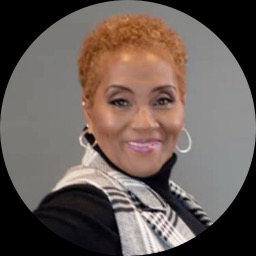
Pamela Peoples
LCSWNorth Carolina
- 16 yrs exp
Stress, Anxiety · Self esteem · Depression · +10
View ProfileOverview - Accessing CBT in North Carolina
Where CBT fits in your mental health options
If you are considering Cognitive Behavioral Therapy, you will find that many licensed clinicians in North Carolina include CBT among their clinical approaches. CBT emphasizes the links between thoughts, feelings, and behavior and is typically structured and goal-oriented. That framework can be applied across many presenting concerns, and clinicians who list CBT often integrate its techniques into treatment plans tailored to each person you meet with. Because this directory focuses on therapists who explicitly list CBT among their approaches, you can begin your search knowing that the clinicians you view are oriented toward the methods and exercises associated with CBT.
How therapists represent their work
When you read practitioner profiles, expect to see descriptions of how clinicians use CBT elements such as cognitive restructuring, behavioral experiments, exposure techniques, and homework practice between sessions. These descriptions give you a sense of how a clinician might work, but they do not certify the level of training a clinician has in CBT. It is appropriate and helpful to ask a clinician directly about their experience using CBT, the populations they have worked with, and any additional instruction they have pursued in cognitive and behavioral methods.
Benefits of Online CBT for North Carolina Residents
Practical advantages of an online format
Online CBT can offer greater convenience if you balance work, family, or travel across different parts of North Carolina. You can connect from a familiar setting while still engaging in the structured tasks that CBT relies on. The format often makes it easier to integrate between-session practice into your day, because you can immediately apply techniques learned in session to the situations you encounter outside of the therapy hour. The continuity of working with the same clinician over video or phone helps maintain momentum in a time-limited, skills-focused approach.
Quality and fit matter more than format
While the technological aspects of an online appointment are important, the quality of the therapeutic relationship and the clinician’s approach to CBT are central. You should look for therapists who explain how they structure sessions, what homework or practice you can expect, and how progress is measured. Because CBT is often goal-focused, an online format can support clear agendas, worksheets, and shared tools that you and your clinician use to track changes. If you prefer a particular communication style, language, or specialty area, you can prioritize those features when reviewing profiles.
Common Conditions Treated by CBT Practitioners in North Carolina
Typical concerns that respond well to CBT
CBT is commonly used to address a range of problems that involve patterns of thinking and behavior. You will find clinicians who work with anxiety disorders, including generalized anxiety, panic, social anxiety, specific phobias, and obsessive-compulsive concerns. CBT techniques such as exposure and cognitive restructuring are often central to work with these conditions. Therapists who list CBT also frequently work with depressive symptoms, helping you identify negative thought patterns and develop behavioral activation strategies to re-engage with valued activities.
Further applications and co-occurring concerns
Beyond anxiety and depression, clinicians who employ CBT methods may address issues such as insomnia, stress management, health-related behavior change, and difficulties with anger or problem-solving. For conditions like obsessive-compulsive tendencies, post-traumatic stress reactions, and certain behavioral patterns, CBT-informed approaches can be adapted to the specifics of your situation. If you present with co-occurring conditions, ask potential clinicians how they integrate CBT principles alongside other techniques that might be relevant to you.
How the Structured Nature of CBT Translates to an Online Setting
Session structure and measurable goals
CBT’s emphasis on structure - clear session agendas, agreed-upon goals, and regular review of progress - lends itself well to remote work. You can expect sessions to follow a predictable flow: setting an agenda, reviewing homework or practice, introducing or rehearsing a skill, and planning tasks for the coming week. This predictability can make it easier for you to track changes over time and to practice skills between sessions, which is often critical for sustained improvement.
Tools and exercises you can use between sessions
In an online format, clinicians often share worksheets, thought records, behavioral experiment plans, and other resources electronically, which can make homework easier to complete and review. You can record observations, experiment outcomes, and mood ratings in a way that is simple to reference in subsequent sessions. Because CBT is frequently time-limited and practice-oriented, the ability to integrate these tools into your everyday routine can help you build new habits and test out alternative ways of thinking and behaving in real-life situations.
Verifying Licensure and Choosing the Right CBT Clinician in North Carolina
How to verify license status in North Carolina
When you are evaluating therapists, it is important to confirm that a clinician holds an active license in North Carolina. You can do this by checking the appropriate state licensing board’s online directory. Search by the clinician’s name or license number to view their current license status, the type of license they hold, any listed specialties, and whether there are administrative actions on record. If you are unsure which licensing board applies, look for the board that corresponds to the clinician’s title - for example, counselor, social worker, psychologist, or marriage and family therapist - and use its official website to verify credentials. Asking the clinician for their license number and the issuing board is a reasonable step you can take, and it gives you a concrete way to confirm details on the state site.
Practical tips for choosing the right CBT therapist
Choosing a clinician is a personal decision that goes beyond license status. Pay attention to how therapists describe their approach to CBT, the populations they work with, and the kinds of problems they emphasize. Consider whether their stated specialties, years of experience, and any languages they speak match your needs. It is helpful to ask clinicians how they measure progress, how they typically structure homework, and what a typical course of CBT might look like for someone with concerns like yours. You should also inquire about their experience working with any cultural, identity, or situational factors that matter to you, because a good fit in perspective and communication style affects how comfortable and engaged you feel in the work.
As you review profiles, compare focus areas, approaches, credentials, languages, and experience to narrow your options. When you contact a clinician, a brief conversation or introductory message can clarify how they use CBT in practice and whether their methods align with your expectations. Taking these steps helps you find a clinician who lists CBT among their approaches and who you feel is a thoughtful match for your goals in therapy.
Browse Specialties in North Carolina
Mental Health Conditions (20 have therapists)
Addictions
7455 therapists
ADHD
6711 therapists
Anger
9281 therapists
Bipolar
6589 therapists
Depression
12849 therapists
Eating Disorders
2892 therapists
Grief
10265 therapists
Guilt and Shame
9013 therapists
Impulsivity
5183 therapists
Isolation / Loneliness
8366 therapists
Mood Disorders
7355 therapists
OCD
3484 therapists
Panic Disorder and Panic Attacks
6347 therapists
Phobias
2452 therapists
Post-Traumatic Stress
7789 therapists
Self Esteem
12541 therapists
Self-Harm
3677 therapists
Social Anxiety and Phobia
8152 therapists
Stress & Anxiety
13723 therapists
Trauma and Abuse
10862 therapists