Find CBT Therapists in Indiana
Welcome to the directory of Cognitive Behavioral Therapy (CBT) clinicians in Indiana. All therapists listed here are licensed and list CBT among their clinical approaches. Explore the profiles to learn about each clinician's focus, credentials, and professional background.



Sara Veldhuizen
LMHCIndiana
- 11 yrs exp
Stress, Anxiety · Addictions · Trauma and abuse · +15
View Profile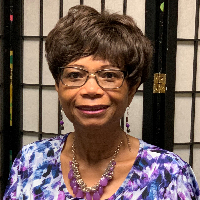




Lynnette Thomas
LCSWIndiana
- 37 yrs exp
Stress, Anxiety · Relationship · Trauma and abuse · +16
View Profile















Overview of CBT availability across Indiana
If you are searching for CBT-focused care in Indiana, you will find clinicians practicing across urban centers, suburban communities, and rural counties who list CBT among their approaches. CBT is commonly used by licensed mental health professionals from a variety of backgrounds - including counselors, clinical social workers, psychologists, and marriage and family therapists - who bring different educational paths and supervised experience to their work. Because this directory highlights clinicians who indicate they work with CBT, you can browse profiles to understand variations in emphasis, such as CBT for adults, CBT for children and adolescents, or specialized applications like CBT for trauma-related symptoms or obsessive-compulsive patterns. Keep in mind that the presence of CBT on a therapist's profile means it is among their clinical approaches rather than a guarantee of a specific certification. When reviewing profiles, focus on experience, clinical interests, and professional licensure to determine which clinicians warrant direct questions about their CBT experience.
Benefits of online CBT for Indiana residents
Online CBT expands access across the state by allowing you to connect with clinicians who list Cognitive Behavioral Therapy among their approaches even if they are based in another city. For many Hoosiers, online sessions remove travel time, reduce disruptions to work or family schedules, and make it easier to maintain continuity when you travel or relocate within the state. The structured nature of CBT - with clear session goals, practical exercises, and homework between appointments - translates well to video or phone formats because materials can be shared electronically and you can practice skills in your everyday environment. Online work also makes it possible to receive care from clinicians who focus on specific populations or conditions that might be scarce in your locality. When considering online CBT, think about the technical set-up that will help you participate fully, such as a quiet room, reliable internet, and a device with a camera and audio. You should also discuss with any clinician how they handle session length, the use of worksheets and apps, and strategies for practicing new skills between meetings so that the online format supports your progress.
Common conditions CBT therapists in Indiana work with
CBT is widely applied to a range of concerns because it addresses the links between thoughts, feelings, and behavior and offers practical strategies to change patterns that maintain distress. In Indiana, clinicians who list CBT among their approaches frequently work with anxiety-related conditions, including generalized anxiety, panic, social anxiety, and phobias, helping you learn skills like cognitive restructuring and exposure-based practices. Depressive symptoms are also commonly addressed through CBT by identifying negative thinking styles, activating behavior, and planning gradual steps to reengage with meaningful activities. Other conditions that often appear on clinician profiles include obsessive-compulsive patterns, where CBT techniques such as exposure and response prevention are commonly used, and trauma-related symptoms where CBT-derived approaches focus on processing thoughts and beliefs that maintain distress. CBT is also applied to health-related behavior change, insomnia, and stress management because of its emphasis on practical, measurable strategies. When you read a therapist’s profile, look for descriptions of the populations and presenting problems they emphasize so you can connect with someone whose experience aligns with the concerns you want to address.
How the structured nature of CBT works well in an online format
CBT’s structured, goal-oriented design is particularly compatible with remote delivery. Sessions typically include agenda-setting, review of homework, skill teaching, in-session practice, and assignment of between-session exercises. Online sessions can follow this same flow while allowing clinicians to share worksheets, diagrams, and handouts electronically so you can review materials afterward. Because CBT often involves practicing skills outside of sessions - for example, conducting experiments, completing thought records, or engaging in exposure tasks - the online context can make it easier to practice in real-life settings where problems occur. Clinicians can guide you through exercises during video calls and then plan homework that you complete in your home, workplace, or community environment. You should ask any prospective clinician how they structure sessions, what kinds of between-session tasks they usually recommend, and how they monitor progress over time. Discuss how they measure outcomes and adjust treatment goals so that you have a clear sense of how your work will proceed across weeks or months. The predictability of CBT sessions can help you track progress and feel more confident in the steps you are taking.
How to verify a therapist's license in Indiana and what to ask
Before beginning work with a clinician who lists CBT among their approaches, it is important to verify licensure and professional standing. In Indiana, licenses for mental health professionals are issued by state regulatory boards and can be checked through the official state license lookup service. When you search a clinician’s name or license number you can confirm their license type, current status, and any disciplinary history. You should note the license designation on a profile - such as licensed mental health counselor, licensed clinical social worker, licensed marriage and family therapist, or psychologist - and use that information when checking the state database. In addition to license verification, prepare a few direct questions to ask a clinician before beginning work: inquire about their experience working with CBT approaches, the populations they most often support, the typical length and frequency of sessions, and how they incorporate homework and skill practice into treatment. Ask about their education, supervised experience, and any continuing education that informs their use of CBT techniques. It is appropriate to ask how they handle crisis situations and what resources they recommend between sessions if symptoms escalate. Confirm the practical details that matter to you, such as session length, how records are kept, and whether they offer in-person meetings if you prefer occasional face-to-face contact.
Choosing the right CBT therapist in Indiana
Finding the right CBT clinician is a personal process that combines practical considerations with the feel of a therapeutic connection. When reviewing profiles, compare clinicians on elements that matter to you: the kinds of problems they emphasize, the populations they list, language abilities, clinical approach, and professional credentials. Because this directory highlights those who list Cognitive Behavioral Therapy among their methods, use each profile to learn how a clinician describes their use of CBT - whether they emphasize structured skill-building, exposure work, behavioral activation, or short-term problem-focused work. After narrowing your options, reach out to ask specific questions about their CBT experience, how they measure progress, and what homework or practice they typically assign. Consider scheduling an initial phone or video conversation to get a sense of whether their style and communication fit your preferences. Remember that you can and should verify licensure through the state database and ask about any professional affiliations or additional training relevant to your concerns. Trust your judgment about who feels like a good fit and choose a clinician who explains CBT in a way that resonates with you and whose plan for treatment aligns with your goals.
CBT offers a practical framework for changing unhelpful patterns of thinking and behavior, and many Indiana clinicians list this approach among their tools. By checking licensure, asking about a clinician’s CBT experience, and thinking through how online delivery would work for your life, you can make an informed decision about the clinician you might contact to begin work on specific goals. Use this directory to explore profiles, learn about each clinician’s focus, and prepare questions that will help you find a therapist whose practice aligns with your needs.
Browse Specialties in Indiana
Mental Health Conditions (20 have therapists)
Addictions
7455 therapists
ADHD
6711 therapists
Anger
9281 therapists
Bipolar
6589 therapists
Depression
12849 therapists
Eating Disorders
2892 therapists
Grief
10265 therapists
Guilt and Shame
9013 therapists
Impulsivity
5183 therapists
Isolation / Loneliness
8366 therapists
Mood Disorders
7355 therapists
OCD
3484 therapists
Panic Disorder and Panic Attacks
6347 therapists
Phobias
2452 therapists
Post-Traumatic Stress
7789 therapists
Self Esteem
12541 therapists
Self-Harm
3677 therapists
Social Anxiety and Phobia
8152 therapists
Stress & Anxiety
13723 therapists
Trauma and Abuse
10862 therapists