
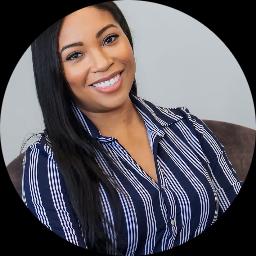
Shamanda Burston
Practical therapy for overwhelmed, high-performing people
LCMHC North Carolina
- Experience
- 15 years in practice
- Focus areas
- Stress, Anxiety, Addictions, Self esteem
- Approaches
- Cognitive Behavioral Therapy (CBT), Attachment-Based Therapy
- Languages
- English
About Shamanda
Shamanda Burston is a Licensed Clinical Mental Health Counselor (LCMHC) practicing in North Carolina who supports people navigating stress, anxiety, addiction, life transitions, and related challenges.
Background and approach
With 15 years of clinical experience, she focuses on practical strategies to reduce overwhelm and restore a clearer sense of direction when daily demands feel unmanageable. Shamanda draws on talk-based and evidence-informed methods to help clients identify patterns, develop coping skills, and rebuild a more sustainable balance between responsibilities and well-being.
Her style blends supportive, direct guidance with attention to real-world pressures, including financial concerns and workplace stress. Shamanda uses Cognitive Behavioral Therapy alongside attachment-informed and client-centered approaches to help clients reframe unhelpful thinking, strengthen relationships, and clarify values and goals.
Sessions emphasize actionable steps that can be applied between meetings so progress is tangible and relevant to each person’s circumstances. Clients work with her to manage anxiety, process grief or trauma, address addiction or mood-related issues, and improve areas such as self-esteem, intimacy, and communication.
She offers multiple remote formats to fit different schedules and prefers a collaborative process that helps people feel more grounded, confident, and capable of making lasting changes.
Therapeutic approaches and online care that fit your life
Shamanda frequently uses Cognitive Behavioral Therapy and attachment-based approaches to guide online work. Cognitive Behavioral Therapy helps people identify and change unhelpful thought patterns and behaviors, which can ease anxiety, mood problems, and habits related to addiction. Attachment-based therapy explores how early relationship patterns influence current connections and emotional responses, helping clients improve intimacy, communication, and self-understanding.Choosing the right approach is part of the therapeutic process and Shamanda frames it as a collaborative effort. She will work with each client to determine which methods align with their goals, values, and day-to-day realities, adjusting techniques as progress and needs evolve.
Online therapy is offered through video calls, phone sessions, live chat, and text-based messaging to increase flexibility and accessibility. These formats make it easier to fit sessions into busy schedules, maintain continuity during life transitions, and practice skills between sessions with support tailored to how a person prefers to communicate.
Frequently asked questions
What concerns does she commonly address?
What is her therapeutic style and approach?
How much clinical experience does she have?
What credentials and location should I know about?
Can nonlocal or international clients work with her?
Which session formats are available?
How is cost handled for sessions?
What are the first steps to begin working together?
Areas of expertise
Primary focus
Also works with
Additional focus areas
Therapeutic approaches
Experience
15+ years
Licensed
North Carolina
Languages
English