
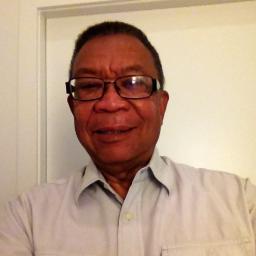
Gary Grant
Experienced integrative therapist focused on resilience
LMHC Washington
- Experience
- 50 years in practice
- Focus areas
- Stress, Anxiety, Trauma and abuse, Intimacy-related issues
- Approaches
- Cognitive Behavioral Therapy (CBT), Attachment-Based Therapy
- Languages
- English
About Gary
Gary Grant is a Licensed Mental Health Counselor (LMHC) with five decades of experience across education, corrections, and clinical work. He grounds his practice in client-centered principles while integrating cognitive behavioral techniques and attachment-based ideas to help clients build resilience.
Background and approach
His long career includes work with diverse cultural communities and experience addressing trauma, mood disorders, anxiety, and substance concerns. Grant’s background spans classroom instruction, probation services, and a range of therapeutic settings including residential programs and community clinics.
He has provided individual, group, and family therapy and has led mindfulness-based groups for emotional regulation. His training also includes hypnotherapy and significant coursework in clinical psychology and group psychotherapy, informing a flexible, strengths-oriented approach.
Licensed in Washington State as an LMHC, Gary draws on cross-cultural experience from years spent working with Native American and Alaska Native communities, as well as with LGBT clients.
He approaches issues such as grief, relationship problems, eating and sleeping concerns, chronic pain and illness, ADHD, and career or life-purpose questions with practical strategies and attention to each person’s background and goals.
Integrating Approaches for Online Emotional Work
Cognitive Behavioral Therapy (CBT) focuses on identifying and changing unhelpful thoughts and behaviors to reduce symptoms like anxiety and depression, offering practical tools for everyday coping. Attachment-Based Therapy explores how early relationship patterns shape current emotional responses and interpersonal difficulties, which can be useful for addressing intimacy problems and relational stress.
Choosing the right approach is a collaborative process. The therapist will work with each client to consider goals, preferences, and life circumstances and then tailor the mix of CBT skills, attachment-informed understanding, and client-centered support so the work fits the person rather than forcing a single method.
Online sessions are offered via video calls, phone, live chat, or text-based messaging to provide flexibility for different schedules and comfort levels. These formats make it easier to maintain consistency in treatment, access support from varied locations, and use different modes of communication to suit session goals and personal needs.
Frequently asked questions
What kinds of concerns does he address?
What therapeutic style can clients expect?
How much experience does he bring to therapy?
What are his credentials and where is he located?
Does he offer services in other languages or to international clients?
Which session formats are available?
How does pricing and payment work?
What are the first steps to begin therapy?
Areas of expertise
Primary focus
Also works with
Additional focus areas
Therapeutic approaches
Experience
50+ years
Licensed
Washington
Languages
English