
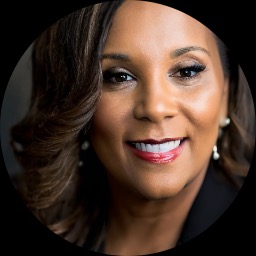
Danna Guillory-Moten
Compassionate therapy for practical change
LPC Texas
- Experience
- 5 years in practice
- Focus areas
- Stress, Anxiety, Addictions, Anger
- Approaches
- Cognitive Behavioral Therapy (CBT), Acceptance and Commitment Therapy (ACT)
- Languages
- English
About Danna
Danna Guillory-Moten brings a compassionate, culturally aware style to therapy, supporting people who are navigating anxiety, depression, grief, relationship strain, addiction, and challenging life transitions.
Background and approach
She emphasizes helping clients build self-compassion, strengthen coping skills, and address mood and behavioral concerns through collaborative work that honors each person’s background and experience.
With five years of clinical experience and licensure as an LPC in Texas, she draws on evidence-based methods to help clients identify unhelpful thinking patterns, learn practical emotion regulation skills, and repair attachment and relational wounds.
Her practice addresses a broad range of concerns including stress, self-esteem, parenting and family issues, eating and impulse-related struggles, ADHD, bipolar mood concerns, and compassion fatigue. Sessions focus on exploring personal values, shifting rigid thinking, and practicing new responses in everyday life.
The intention is to create a respectful, affirming space where clients can test new strategies, clarify goals, and build lasting tools for coping and growth.
How evidence-based approaches work online
Many clients benefit from practical, skills-focused therapy, and this practice uses Cognitive Behavioral Therapy and Acceptance and Commitment Therapy to guide that work. CBT centers on identifying and testing unhelpful thoughts and learning concrete behavioral strategies to reduce anxiety, address depression, and manage impulses. ACT emphasizes clarifying personal values and developing psychological flexibility so clients can take meaningful action even when difficult feelings are present.Attachment-Based Therapy is also part of the clinician's toolkit, focusing on understanding relational patterns and how early bonds shape present-day connections and communication. This approach can help people improve relationship dynamics and repair attachment-related difficulties through exploration and new interactional strategies.
Finding the right combination of methods is collaborative: the therapist will discuss goals, preferences, and responses to different techniques and adjust the plan as therapy progresses. Online formats like video calls, phone sessions, live chat, and text-based messaging increase flexibility for scheduling and allow clients to engage in the ways that fit their daily lives. These options support continuity of care and make it easier to practice new skills between sessions.
Frequently asked questions
What kinds of concerns does this therapist address?
What is her therapeutic style like?
How much clinical experience does she have?
What credentials and location apply to this clinician?
Does she provide services in other languages or to international clients?
Which session formats are available for therapy?
How is cost handled for sessions?
What are the steps to begin working together?
Areas of expertise
Primary focus
Also works with
Additional focus areas
Therapeutic approaches
Experience
5+ years
Licensed
Texas
Languages
English