
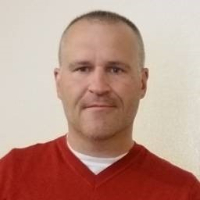
Thomas Smith
Experienced LCSW offering practical, trauma-informed care
LCSW Pennsylvania
- Experience
- 3 years in practice
- Focus areas
- Stress, Anxiety, Relationship, Trauma and abuse
- Approaches
- Cognitive Behavioral Therapy (CBT), Eye Movement Desensitization and Reprocessing (EMDR)
- Languages
- English
About Thomas
Thomas Smith is an LCSW who practices in Pennsylvania and brings a focused, collaborative approach to therapy. He blends structured methods with empathic listening to help clients manage stress, anxiety, grief, depression, addictions, and relationship or intimacy-related concerns.
Background and approach
With an emphasis on evidence-informed techniques, he works alongside clients to identify practical strategies for coping with life changes, improving communication, and addressing issues like ADHD, bipolar symptoms, and compassion fatigue.
Thomas integrates trauma-focused work and therapies suited to processing painful experiences, while also offering support for challenges such as caregiver stress, chronic illness, body image, and sexual expression within kink or alternative cultures. His practice emphasizes finding methods that fit each person's goals, whether addressing career and self-esteem, parenting and blended-family dynamics, or substance-related concerns.
Thomas communicates in English and provides sessions via video calls, phone, live chat, or text-based messaging. He holds the LCSW credential (PA LCSW CW016654) and aims to partner with clients to build realistic next steps and sustainable coping skills.
Approaches that guide online therapeutic work
Thomas often uses Cognitive Behavioral Therapy (CBT) to help clients identify and change unhelpful thinking and behavioral patterns; this approach is practical for anxiety, stress, mood concerns, and many everyday coping challenges. He also draws on EMDR for trauma-focused processing, an approach that supports people in reducing the intensity of traumatic memories and associated emotional reactions. Narrative Therapy is another tool he may use to help clients reframe personal stories and separate identity from problems, which can be useful for issues like grief, identity, and relationship difficulties.Determining which approach fits best is a collaborative process. The therapist works with each person to explore goals, personal history, and preferences, then adapts methods over time so the plan reflects what is most helpful for the client in practice and progress.
Online therapy offers practical flexibility for engaging in this work. Video calls allow for face-to-face interaction when that is preferred, while phone sessions, live chat, and text-based messaging provide alternatives that can fit busy schedules or different comfort levels. These options make it easier to maintain continuity of care and to try different formats as needs change.
Frequently asked questions
What issues does this therapist commonly address?
What is the therapeutic style and approach?
What kind of clinical background and experience is provided?
What credentials and location are listed for this therapist?
Are sessions available in other languages or for international clients?
Which session formats are offered for online work?
How is cost handled for sessions?
What are the steps to begin working together?
Areas of expertise
Primary focus
Also works with
Additional focus areas
Therapeutic approaches
Experience
3+ years
Licensed
Pennsylvania
Languages
English