
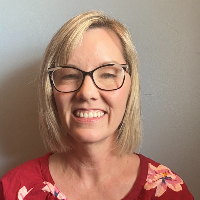
Sabrina Howell
Collaborative, CBT-informed care for life transitions
LCMHC North Carolina
- Experience
- 20 years in practice
- Focus areas
- Stress, Anxiety, Relationship, Family
- Approaches
- Cognitive Behavioral Therapy (CBT), Client-Centered Therapy
- Languages
- English
About Sabrina
Sabrina Howell is an LCMHC with two decades of clinical experience who blends cognitive behavioral techniques with a holistic, client-led approach.
Background and approach
She frames therapy as a collaborative relationship in which clients set their own goals while she companions them through the process, exploring how symptoms affect body, mind, spirit, relationships, and work.
Her practice addresses common presentations such as panic, anxiety, depression, grief, and stress, and includes care for mood and personality concerns as well as coping with life changes and parenting challenges. She also brings experience working with trauma and abuse, using trauma-focused methods to help children and families as well as adults who feel stuck by past events.
Sabrina draws on client-centered principles to create space for clients to identify priorities and to guide interventions that fit each person’s needs. Based in North Carolina and licensed as NC LCMHC 5181, she accepts international clients and offers sessions through several online formats to increase access for people in different circumstances.
Approach-focused online therapy for practical change
Client-centered therapy emphasizes understanding the client's perspective and creating a collaborative environment where the client's priorities guide the work. This approach supports exploration of goals and personal values and helps people identify what matters most in their lives.Cognitive Behavioral Therapy (CBT) offers practical strategies to identify and shift unhelpful thoughts and behaviors that contribute to anxiety, depression, panic, and stress. CBT techniques can be used to build coping skills for mood concerns, relationship patterns, and life transitions.
Finding the right therapeutic approach happens together. The therapist will work collaboratively with each person to determine which combination of client-centered listening, CBT techniques, mindfulness practices, or trauma-focused interventions best match the client's goals, preferences, and current needs.
Online sessions are offered via video, phone, live chat, or text-based messaging to provide flexibility for different schedules and circumstances. These formats make it easier to maintain continuity of care during life changes and offer multiple ways to communicate depending on what feels most helpful for the client.
Frequently asked questions
What concerns does she commonly address?
How would you describe her therapeutic style?
How long has she practiced therapy?
What are her credentials and where is she based?
Can she work with people who live outside the United States?
Which session formats are available?
How are fees and payment handled?
What does the first step look like to begin therapy?
Areas of expertise
Primary focus
Also works with
Additional focus areas
Therapeutic approaches
Experience
20+ years
Licensed
North Carolina
Languages
English