
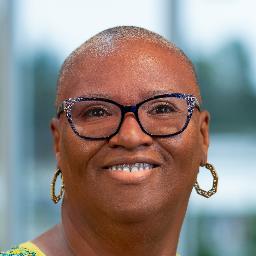
Naeemah Johnson
Collaborative, evidence-informed care for life transitions
LICSW Washington
- Experience
- 20 years in practice
- Focus areas
- Stress, Anxiety, LGBT, Family
- Approaches
- Cognitive Behavioral Therapy (CBT), Acceptance and Commitment Therapy (ACT)
- Languages
- English
About Naeemah
Naeemah Johnson is a licensed clinical social worker with two decades of experience helping people navigate stress, anxiety, depression, trauma, relationship conflicts, and life transitions.
Background and approach
She practices from a strengths-based, culturally aware perspective and prioritizes collaboration; she invites clients to define their goals and meets them where they are on the journey toward improved functioning and well-being. Her work emphasizes self-awareness, acceptance, and flexible use of evidence-informed methods, including cognitive behavioral techniques alongside acceptance and attachment-focused approaches.
Sessions focus on realistic, measurable goals and practical skills that support healthier self-perception, more satisfying relationships, and better coping with grief, addiction-related concerns, parenting challenges, career stress, and other complex issues. Johnson describes her style as nonjudgmental and outcome-oriented, blending compassion with structured interventions to create treatment plans tailored to each person.
She aims to strengthen supports around clients and foster sustainable change through collaborative planning and concrete therapeutic strategies.
Online Approaches and Practical Benefits
Cognitive Behavioral Therapy (CBT) focuses on identifying and changing unhelpful thought patterns and behaviors to reduce symptoms like anxiety and depression; it is often used to develop concrete coping skills and problem-solving strategies. Acceptance and Commitment Therapy (ACT) helps people clarify personal values and build psychological flexibility by learning to accept difficult thoughts and commit to actions that align with what matters most. Attachment-Based Therapy explores how early relationship patterns influence current emotional responses and interpersonal difficulties and can be helpful for improving connection and resolving relational wounds.
Deciding which approach to use is a collaborative process. The therapist works with each person to assess needs, preferences, and goals and then adapts techniques from these approaches to create a tailored plan. Clients are encouraged to take an active role in shaping the work so the methods fit their life and objectives.
Online therapy offers practical flexibility through video calls, phone sessions, live chat, or text-based messaging, allowing people to access consistent care from different settings. These options can make scheduling easier and help maintain continuity of care while using interventions grounded in CBT, ACT, and attachment-informed thinking.
Frequently asked questions
What kinds of concerns does this therapist address?
What is the general therapeutic style and approach?
How much clinical experience does she have?
What credentials and location are listed?
In which language can I work with this therapist and are international clients accepted?
Which session formats are available?
How is cost handled for sessions?
What are the steps to begin working together?
Areas of expertise
Primary focus
Also works with
Additional focus areas
Therapeutic approaches
Experience
20+ years
Licensed
Washington
Languages
English