
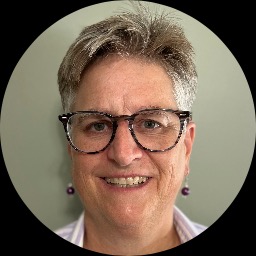
Mary (Peggy) Keating
Practical, experienced therapist who helps clients move forward
LISW Ohio
- Experience
- 40 years in practice
- Focus areas
- Stress, Anxiety, Addictions, LGBT
- Approaches
- Cognitive Behavioral Therapy (CBT), Eye Movement Desensitization and Reprocessing (EMDR)
- Languages
- English
About Mary
Mary (Peggy) Keating brings 40 years of clinical social work experience to her practice as an LISW based in Ohio. She focuses on helping people address the problems that interfere with everyday living, including mood concerns, anxiety, addictions, grief, and trauma.
Background and approach
Her background spans a wide range of life challenges such as relationship and intimacy issues, parenting and blended family dynamics, caregiving and aging concerns, chronic illness and pain, and concerns related to identity including LGBT matters. Her style balances warmth and clear direction.
She offers gentle, supportive listening while also challenging unhelpful patterns when needed, helping clients move past obstacles and get unstuck. Keating draws from a range of clinical methods including cognitive behavioral strategies, EMDR for trauma processing, mindfulness practices, motivational interviewing, and psychodynamic ideas to tailor work to each person’s needs.
Sessions aim to blend practical tools with deeper understanding so clients can build skills, process difficult experience, and pursue meaningful change. Mary works with English-speaking adults from her Ohio licensure and provides sessions in multiple online formats to accommodate different schedules and preferences.
How therapeutic approaches translate to online care
Mary uses cognitive behavioral therapy to help clients identify unhelpful thoughts and behaviors and then practice concrete skills to reduce distress and improve daily functioning. This approach is practical for anxiety, depression, stress management, and many life transitions. EMDR is offered as a trauma-focused method that helps process distressing memories through guided attention and bilateral stimulation; it is typically used when past events continue to cause emotional or physiological upset.Finding the right approach is part of the work together. The therapist will collaborate with clients to select or combine methods based on their concerns, goals, and preferences, adjusting techniques as progress is made and needs change.
Online therapy is offered through video calls, phone sessions, live chat, and text-based messaging to increase flexibility and accessibility. These formats allow for scheduling around work, caregiving, and other commitments, and make it possible to continue therapy during life transitions or when in-person visits are difficult. Licensed professionals can use these options to deliver structured CBT exercises, guided EMDR protocols adapted for remote sessions, mindfulness practices, and motivational interviewing conversations to support change over time.
Frequently asked questions
What kinds of concerns does this therapist address?
What is her therapeutic approach and style?
How much clinical experience does she have?
What are her credentials and where is she licensed?
Does she work with speakers of other languages or international clients?
In what formats are sessions offered?
How are fees and payment handled?
What are the steps to begin working with her?
Areas of expertise
Primary focus
Also works with
Additional focus areas
Therapeutic approaches
Experience
40+ years
Licensed
Ohio
Languages
English