
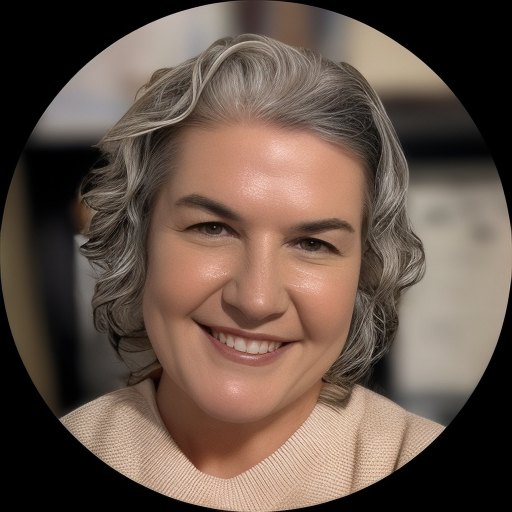
Mary Jo Ayllon
Practical, compassionate therapy grounded in CBT
LPC, LCMHC North Carolina
- Experience
- 12 years in practice
- Focus areas
- Stress, Anxiety, Grief, Parenting
- Approaches
- Cognitive Behavioral Therapy (CBT), Acceptance and Commitment Therapy (ACT)
- Languages
- English
About Mary
Mary Jo Ayllon brings a practical, goal-oriented approach grounded in cognitive behavioral therapy while weaving in acceptance, attachment, and client-centered principles. She works from a perspective that encourages trust, motivation, and hope, helping clients identify patterns of thought and behavior and develop actionable strategies for change.
Background and approach
With 12 years of counseling experience, she addresses a wide range of concerns including anxiety, depression, grief, trauma and abuse, OCD, ADHD, low self-esteem, stress management, and workplace or career difficulties.
She also has focused experience with parenting struggles, relationship and family problems, postpartum and pregnancy-related issues, grief, multicultural concerns, and challenges around body image, control, guilt and shame.
Mary Jo is licensed as an LPC and LCMHC with credentials listed for Georgia and North Carolina and she integrates clients' spiritual beliefs when requested, offering a Biblically informed option that aims to connect therapeutic work with faith perspectives.
Her practice emphasizes meeting clients where they are and moving at a pace that fits each individual's goals and preferences.
Integrating evidence-based approaches with online support
Cognitive Behavioral Therapy helps identify unhelpful thoughts and behaviors and teaches practical skills to shift them; it is commonly used for anxiety, depression, OCD, and stress-related concerns. Acceptance and Commitment Therapy focuses on clarifying values, increasing psychological flexibility, and learning to accept difficult internal experiences while taking committed action toward meaningful goals. Attachment-Based Therapy explores relational patterns and early bonding experiences to improve current relationship dynamics and heal attachment-related wounds.
Choosing the right approach is a collaborative process. The therapist works with each client to assess needs, goals, and preferences and may blend methods so the treatment aligns with what the client finds most helpful. Clients are invited to share their priorities so the plan can be adjusted over time.
Online formats offered include video calls, phone sessions, live chat, and text-based messaging, which can make therapy easier to fit into busy schedules and reduce travel time. These options provide flexibility for ongoing work, allow for different styles of communication, and can help maintain continuity of care when in-person meetings are not possible.
Frequently asked questions
What concerns does she commonly address?
What is her therapeutic style and approach?
How much clinical experience does she have?
What credentials and locations are on record?
Which languages are available and can international clients join?
What session formats does she offer?
How are sessions paid for and what does cost look like?
What are the first steps to begin therapy?
Areas of expertise
Primary focus
Also works with
Additional focus areas
Therapeutic approaches
Experience
12+ years
Licensed
Georgia, North Carolina
Languages
English