
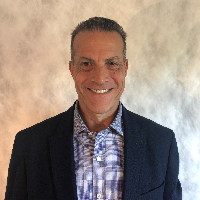
Mark Schiffman
Practical, experienced support for life’s challenges
LCSW New York
- Experience
- 25 years in practice
- Focus areas
- Stress, Anxiety, Addictions, LGBT
- Approaches
- Cognitive Behavioral Therapy (CBT), Dialectical Behavior Therapy (DBT)
- Languages
- English
About Mark
Mark Schiffman is a licensed clinical social worker (LCSW) based in New York who offers practical support for people coping with stress, anxiety, addiction, grief, relationship challenges, trauma, and a broad range of life transitions.
Background and approach
He brings 25 years of clinical experience to individualized treatment plans that aim to reduce emotional and physical distress while helping clients pursue clearer goals and improved day-to-day functioning. His work includes techniques drawn from cognitive behavioral therapy and dialectical behavior therapy alongside mindfulness practices and Imago relationship methods when appropriate.
Sessions emphasize compassionate listening, reflective exploration, and practical skills building so clients can address issues such as mood concerns, self-esteem, sleep and eating problems, parenting stresses, ADHD, and career or caregiving pressures. Mark also attends to more specific difficulties listed in his practice, including attachment and abandonment concerns, codependency, and end-of-life related matters.
Therapeutic offerings are adapted to each person’s needs; with experience in individual, family, and group work, he develops strategies designed to foster positive energy and help clients and their loved ones move toward attainable goals.
How therapeutic approaches translate to online care
Mark uses cognitive behavioral therapy to help clients identify and shift unhelpful thoughts and behaviors, creating concrete strategies to manage symptoms like anxiety, low mood, and sleep or eating difficulties. Dialectical behavior therapy is offered to build emotional regulation, distress tolerance, and interpersonal effectiveness skills useful for intense emotions, relationship struggles, and impulsivity.Choosing the right method is a collaborative process. The therapist works with each person to explore goals, preferences, and the specific challenges they bring, and then tailors which approaches and techniques to emphasize as therapy progresses.
Online sessions make this work more accessible through video calls, phone sessions, live chat, or text-based messaging. These options offer flexibility around scheduling and location, allowing people to maintain continuity of care while fitting sessions into busy lives or when in-person visits are not feasible.
Frequently asked questions
What kinds of problems does this therapist address?
How would you describe the therapeutic style used?
What is his clinical background and experience level?
Where is this therapist located and what credentials are held?
Are sessions available in languages other than English or for international clients?
What session formats are offered for working with him?
How is cost structured for therapy with this clinician?
How does one begin working with this therapist?
Areas of expertise
Primary focus
Also works with
Additional focus areas
Therapeutic approaches
Experience
25+ years
Licensed
New York
Languages
English