
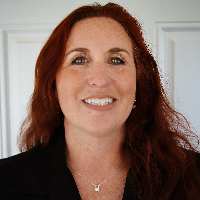
Ida Whitaker
Calm, focused therapy for life transitions
LMFT Montana
- Experience
- 8 years in practice
- Focus areas
- Addictions, Relationship, Trauma and abuse
- Approaches
- Cognitive Behavioral Therapy (CBT), Emotionally-Focused Therapy (EFT)
- Languages
- English
About Ida
Ida Whitaker is a licensed marriage and family therapist who uses a practical, skills-focused approach to help people navigate change and heal from difficult experiences.
Background and approach
With an emphasis on cognitive behavioral strategies, she blends evidence-informed techniques to address symptoms of anxiety, depression, stress, and challenges tied to addiction and trauma. Her work also includes attention to relationship concerns, intimacy issues, parenting questions, and the emotional impacts of grief and life transitions.
Drawing on eight years of clinical experience and training in trauma-focused methods and emotionally focused approaches, she offers both individual and group therapy formats. Ida holds LMFT licensure in Montana and California and brings experience from outpatient settings supporting clients dealing with substance use, family-of-origin problems, attachment and communication difficulties, and a range of mood and behavioral concerns.
She aims to collaborate without judgment and to help clients build practical tools for coping, decision-making, and restoring connection in their lives.
Evidence-Informed Therapy Online and Practical Tools
Ida integrates cognitive behavioral strategies and emotionally focused methods into online work, offering clear, goal-oriented exercises and communication-focused interventions to address symptoms like anxiety, depression, relationship strain, and stress. CBT involves identifying and changing unhelpful thoughts and behaviors to reduce distress and improve day-to-day functioning, while emotionally focused techniques help people understand and reshape patterns in close relationships and build stronger emotional connection.She also brings trauma-focused practices into virtual sessions when relevant, using guided processing and stabilization skills to help clients manage reactions linked to past events. Choosing the right approach is collaborative; the therapist discusses goals, preferences, and the nature of the concerns to tailor methods that fit each person's needs rather than relying on a single model.
Online formats include video calls, phone sessions, live chat, and text-based messaging to offer flexibility for different schedules and comfort levels. These options make it easier to attend regular sessions, practice therapeutic skills between meetings, and maintain continuity of care when in-person options are limited.
Frequently asked questions
What kinds of concerns does she address?
What therapeutic style can I expect in sessions?
How much clinical experience does the therapist have?
What are her credentials and where is she licensed?
Can clients work with her in languages other than English?
Which session formats are available?
How are fees and subscriptions handled?
What steps are involved in getting started?
Areas of expertise
Primary focus
Also works with
Additional focus areas
Therapeutic approaches
Experience
8+ years
Licensed
California, Montana
Languages
English