
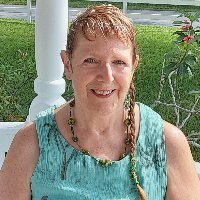
Rev. Ellen Schipul
Cognitive behavioral and spiritually informed counseling
LPC Pennsylvania
- Experience
- 18 years in practice
- Focus areas
- Stress, Anxiety, Trauma and abuse, Grief
- Approaches
- Cognitive Behavioral Therapy (CBT), Client-Centered Therapy
- Languages
- English
About Ellen
Rev. Ellen Schipul integrates Cognitive Behavioral Therapy with client-centered and mindfulness-based work to help people change unhelpful thinking patterns while honoring personal values and inner experience.
Background and approach
With 18 years of professional counseling experience and a parallel life as an ordained interfaith minister, she brings a broad perspective that connects thoughts, bodily experience, and spiritual meaning when clients want that element included. Her approach combines practical skills for managing symptoms with reflective dialogue that supports self-exploration and emotional healing.
Known for using a varied set of evidence-informed tools, she applies CBT alongside mindfulness practices, somatic techniques, and solution-focused strategies to address stress, anxiety, depression, trauma, grief, ADHD, bipolar-related concerns, relationship and family issues, parenting challenges, and compassion fatigue.
Her work also addresses attachment and abandonment wounds, caregiving stress, codependency and separation issues, as well as forgiveness and fertility concerns. Based in Pennsylvania, Rev.
Schipul practices as an LPC and offers services in English, welcoming international clients through multiple remote session formats.
Integrating evidence-based approaches in online therapy
Rev. Ellen Schipul frequently uses Cognitive Behavioral Therapy to help clients understand how thought patterns influence emotions and behavior, teaching practical strategies to reduce anxiety, depression, and stress. She also draws on Client-Centered Therapy to provide empathic, nonjudgmental listening that supports clients in exploring their values and building self-awareness. Mindfulness Therapy is woven into sessions to increase present-moment awareness and to complement cognitive work, helping with trauma responses, grief, and emotional regulation.Choosing an approach is a collaborative process: the therapist works with each person to identify goals, preferences, and what feels most helpful. Together they may try a combination of methods and adjust the focus over time so the work aligns with evolving needs and life circumstances.
Online formats include video calls, phone sessions, live chat, and text-based messaging, offering flexibility for those with busy schedules or geographic constraints. These options make it possible to maintain continuity of care and practice skills between sessions, while allowing clients to access a licensed professional from wherever they are able to connect.
Frequently asked questions
What concerns does she commonly address?
What therapeutic style can I expect in sessions?
How much clinical experience does she have?
What are her credentials and where is she located?
Can I work with her if I live outside the United States?
Which session formats are offered for remote work?
How are therapy costs handled?
What is the first step to begin working together?
Areas of expertise
Also works with
Additional focus areas
Therapeutic approaches
Experience
18+ years
Licensed
Pennsylvania
Languages
English