
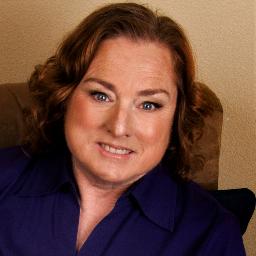
Dianne Smith
Practical, experienced therapy for real-life challenges
LMFT Idaho
- Experience
- 43 years in practice
- Focus areas
- Stress, Anxiety, Family, Trauma and abuse
- Approaches
- Cognitive Behavioral Therapy (CBT), Dialectical Behavior Therapy (DBT)
- Languages
- English
About Dianne
Dianne Smith is a licensed marriage and family therapist (LMFT) with a clinical career that began in 1981 and spans over four decades. She brings a practical, results-oriented style to her work, combining direct guidance with warmth and empathy.
Background and approach
Her training emphasizes trauma-informed care and evidence-based methods including cognitive behavioral therapy, dialectical behavior therapy, mindfulness, and solution-focused strategies to help clients develop skills and insight. She prioritizes education and skill-building, helping people learn tools to manage stressors, mood challenges, relationship struggles, addictions, grief, and life transitions.
Dianne pays attention to each person’s beliefs, goals, and strengths when shaping a plan, aiming to move clients out of stuck patterns and toward measurable progress. With a decades-long practice rooted in Idaho, she frames therapy as a collaborative process that balances practical techniques and thoughtful understanding so clients can tackle challenges and pursue meaningful change.
Evidence-Based Approaches for Online Support
Cognitive behavioral therapy (CBT) focuses on identifying and changing unhelpful thoughts and behaviors, teaching concrete skills for managing anxiety, depression, stress, and everyday challenges. It helps clients break cycles that maintain emotional distress and build practical coping strategies. Dialectical behavior therapy (DBT) combines skills training in emotional regulation, distress tolerance, interpersonal effectiveness, and mindfulness to help people manage intense emotions and improve relationships. It is well suited to clients who need structured skill-building alongside validation and problem solving.
Choosing the right approach is a collaborative process. The therapist works with each person to understand goals, preferences, and the nature of the difficulties they bring, then recommends and adjusts methods that fit. That collaborative stance helps tailor sessions so techniques and pacing match the client’s needs and priorities.
Online therapy offers flexibility through video calls, phone sessions, live chat, and text-based messaging, allowing people to engage in therapy from different locations and on varied schedules. These formats make it easier to maintain continuity of care, practice skills between sessions, and access support in ways that fit daily life while still working with licensed professionals.
Frequently asked questions
What kinds of issues does this therapist address?
Which therapeutic approaches does she use in sessions?
How much clinical experience does she have?
What are her credentials and where is she based?
Does she provide services in other languages or accept international clients?
What formats are available for sessions?
How are costs and billing handled?
What should I do to begin working together?
Areas of expertise
Primary focus
Also works with
Additional focus areas
Therapeutic approaches
Experience
43+ years
Licensed
Idaho
Languages
English