
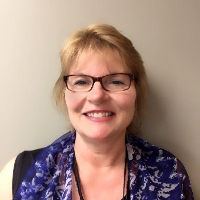
Diane Hendricks
Calm, collaborative care for complex life challenges
LCSW, LSCSW Kansas
- Experience
- 15 years in practice
- Focus areas
- Stress, Anxiety, Trauma and abuse, Grief
- Approaches
- Cognitive Behavioral Therapy (CBT), Client-Centered Therapy
- Languages
- English
About Diane
Diane Hendricks is an LCSW and LSCSW with 15 years of practice who supports people coping with stress, anxiety, trauma and abuse, grief, depression, addictions, and a wide range of other life challenges.
Background and approach
She draws on experience from psychiatric settings including senior counseling, hospice, veterans, and first responders, and has a history of working with the LGBTQ+ community. Diane approaches each person as an individual, attending to their unique history rather than fitting them into preset categories.
Her primary style is client-centered: she meets people where they are and collaborates at a pace that feels right for them. She blends practical, evidence-informed methods with an empathetic, nonjudgmental presence, and she aims to create a space where difficult feelings can be explored without shame.
Diane is known for a compassionate manner and a readiness to share appropriate levity when it supports healing. Based in Kansas, she helps with concerns such as relationship and intimacy challenges, parenting and blended family issues, chronic illness and caregiver stress, ADHD, codependency, dissociation, and coping with major life changes.
Diane invites prospective clients to take the first step toward better coping and clearer goals through a straightforward intake and scheduling process.
Therapeutic approaches and how they translate online
Client-centered therapy emphasizes meeting the person where they are, offering an attentive, empathetic presence and tailoring support to the individual's priorities; this approach helps with emotional processing, coping skills, and building a therapeutic alliance that guides the work. Cognitive Behavioral Therapy (CBT) focuses on identifying and changing unhelpful thinking and behavior patterns, and it is commonly used for anxiety, depression, stress, and some addiction-related difficulties through structured exercises and practical strategies. Emotionally-Focused Therapy (EFT) attends to emotional experience and patterns in relationships, helping people understand and shift how they respond to strong feelings in interpersonal contexts.Deciding on an approach is a collaborative process. The therapist will work with each client to explore goals, preferences, and what feels most useful, often integrating techniques from different modalities so the plan fits the person rather than forcing a single method.
Online sessions make these approaches accessible through video calls, phone sessions, live chat, or text-based messaging, offering flexibility for busy schedules and for those who prefer remote options. These formats let licensed professionals use CBT skill-building, reflective client-centered conversation, and emotion-focused interventions in ways that accommodate varied needs and practical circumstances.
Frequently asked questions
What concerns does she commonly address?
What is her therapeutic style and approach?
How much clinical experience does she bring?
What credentials and location are listed?
Does she offer services in other languages or to international clients?
Which session formats are available with her?
How are fees handled for sessions?
What are the first steps to begin working together?
Areas of expertise
Also works with
Additional focus areas
Therapeutic approaches
Experience
15+ years
Licensed
Missouri, Kansas
Languages
English