
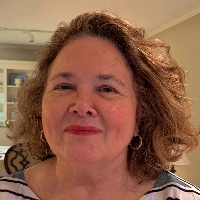
Dr. Deborah Gipple
Practical, compassionate therapy for life transitions
LCMHC North Carolina
- Experience
- 23 years in practice
- Focus areas
- Stress, Anxiety, Trauma and abuse, Grief
- Approaches
- Cognitive Behavioral Therapy (CBT), Client-Centered Therapy
- Languages
- English
About Deborah
Dr. Deborah Gipple welcomes people seeking support for a wide range of life challenges and emotional concerns.
Background and approach
She meets clients where they are and accompanies them through change, offering encouragement and practical skills to navigate stress, anxiety, trauma, grief, depression, relationship difficulties, and other struggles. With a focus on helping clients find strengths and solutions, she combines problem-focused techniques with compassionate guidance.
Dr. Gipple holds a Ph.D. in Mental Health Counseling and is a Licensed Clinical Mental Health Counselor (LCMHC) in North Carolina, license number NC LCMHC 6466.
Over 23 years of practice she has worked with children, teens, and adults, applying approaches such as Cognitive Behavioral Therapy, Client-Centered methods, Mindfulness, Solution-Focused strategies, and Trauma-Focused work. Her background includes addressing issues like attachment and family of origin concerns, codependency, addiction-related questions, parenting, career transitions, and sexual assault recovery.
She frames therapy as a collaborative journey, offering a nonjudgmental space and using clinical skills to support coping, decision making, and lasting communication improvements. Scheduling is available midweek, and sessions are arranged to match each person’s needs and goals.
Therapeutic approaches and online care that fit your needs
Cognitive Behavioral Therapy (CBT) focuses on identifying and changing unhelpful thinking and behavior patterns. It is often used to address anxiety, depression, stress, and many practical life challenges by teaching concrete skills for managing symptoms and making different choices.
Client-Centered Therapy emphasizes a supportive, nonjudgmental relationship in which the therapist listens deeply and helps clients explore their feelings and values. This approach can be useful for building self-awareness, improving self-esteem, and navigating personal transitions.
Finding the right approach is a collaborative process. The therapist works with each person to clarify goals and preferences, then adapts techniques from CBT, client-centered work, mindfulness, solution-focused methods, or trauma-focused strategies as needed to fit the client's situation.
Online sessions are offered via video calls, phone sessions, live chat, or text-based messaging to provide flexibility for different schedules and communication styles. These options make it easier to maintain continuity of care during busy weeks, support people who prefer remote work, and allow practical scheduling within the therapist's midweek availability.
Frequently asked questions
What kinds of concerns does this therapist address?
How would sessions feel in terms of therapeutic style?
What is the clinician's professional background?
Where is the therapist licensed and based?
Can I work with this therapist in a language other than English?
Which session formats are available for online work?
How is pricing handled for sessions?
What steps start the process of working together?
Areas of expertise
Also works with
Additional focus areas
Therapeutic approaches
Experience
23+ years
Licensed
North Carolina
Languages
English