
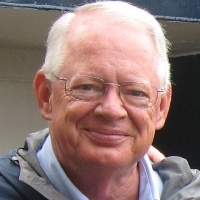
David Swineheart
Calm, experienced guidance for life transitions
LCSW Indiana
- Experience
- 30 years in practice
- Focus areas
- Stress, Anxiety, Trauma and abuse, Grief
- Approaches
- Cognitive Behavioral Therapy (CBT), Client-Centered Therapy
- Languages
- English
About David
David Swineheart is a Licensed Clinical Social Worker (LCSW) practicing from Indiana with three decades of clinical experience. He blends evidence-informed methods with a person-focused stance, helping clients navigate depression, anxiety, trauma and abuse, grief, and a wide range of relationship and life-transition challenges.
Background and approach
His background includes work with diverse age groups and people from other countries and cultures, and he lists Cognitive Behavioral Therapy among his primary approaches. Therapy with David centers on collaboration and practical skill-building.
He emphasizes a respectful, genuine therapeutic relationship and seeks to build on each person's existing strengths to support coping, symptom management, and clearer decision-making. His scope covers concerns such as stress, panic attacks, eating and sleeping problems, parenting struggles, mood disorders including bipolar, ADHD, compassion fatigue, and intimacy or attachment-related issues.
Clients can expect a straightforward, strengths-based process that combines short-term strategies and deeper emotional work when needed. He also attends to issues like codependency, self-harm history, forgiveness, guilt and shame, and sexual assault and abuse, tailoring interventions to each client's needs while remaining pragmatic and supportive.
Practical therapeutic approaches for online care
Cognitive Behavioral Therapy (CBT) focuses on identifying and shifting unhelpful thoughts and behaviors to reduce symptoms like anxiety, panic, and depression; it emphasizes concrete skills and structured practices that translate well to remote sessions. Client-Centered Therapy emphasizes empathy, acceptance, and a nonjudgmental therapeutic relationship, helping clients explore feelings and build self-understanding in a supportive way. Emotionally-Focused Therapy (EFT) concentrates on attachment and emotional patterns in relationships and can assist people working through intimacy issues, grief, or attachment wounds.
Finding the right approach is part of the collaborative process. The therapist works with clients to determine which methods fit their goals, needs, and preferences, often combining techniques so therapy is both practical and emotionally attuned. This shared decision-making helps tailor the pace and focus of remote work.
Online therapy offers flexibility through video calls, phone sessions, live chat, or text-based messaging, making it easier to fit appointments into busy schedules and to continue care across distances. These formats allow for ongoing skills practice, check-ins, and therapeutic conversations without the need to travel, supporting continuity and accessibility for people managing complex life demands.
Frequently asked questions
What kinds of struggles does he help with?
How would you describe his therapeutic style?
What is his professional background?
What are his credentials and where is he located?
Does he work with non-English speakers or international clients?
Which session formats does he offer?
How are fees and subscriptions handled?
What are the steps to begin working with him?
Areas of expertise
Primary focus
Also works with
Additional focus areas
Therapeutic approaches
Experience
30+ years
Licensed
Indiana
Languages
English