
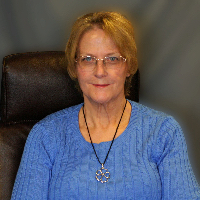
Carol Gross
Practical, values-focused therapy for change
LCSW Utah
- Experience
- 25 years in practice
- Focus areas
- Stress, Anxiety, Family, Trauma and abuse
- Approaches
- Cognitive Behavioral Therapy (CBT), Acceptance and Commitment Therapy (ACT)
- Languages
- English
About Carol
Carol Gross is a licensed clinical social worker with 25 years of professional experience who centers cognitive and acceptance-based methods in her work.
Background and approach
She blends Cognitive Behavioral Therapy ideas with Acceptance and Commitment Therapy and client-centered principles to help people notice patterns, increase psychological flexibility, and develop practical coping strategies for anxiety, depression, mood disorders, addiction, trauma, and related concerns.
Drawing on a background that includes early training in systems analysis and long clinical practice, Carol frames difficult emotions and behaviors as signals that can guide purposeful change. She emphasizes mindfulness, values clarification, and behavior-focused interventions to reduce suffering and support more meaningful functioning in daily life.
Carol often uses tools such as the ACT matrix to help clients sort priorities and make choices that align with what matters to them. Her approach is collaborative and grounded in real-world problem solving, with attention to issues such as grief, anger, ADHD, intimacy-related struggles, eating and sleeping difficulties, caregiver stress, chronic illness, and career or life transitions.
Carol practices in Utah and offers a warm, pragmatic style intended to help clients build skills and move toward clearer goals.
How evidence-informed approaches translate to online therapy
Carol frequently uses Cognitive Behavioral Therapy and Acceptance and Commitment Therapy in her practice, describing both in accessible, skills-focused terms. CBT helps people identify and change unhelpful thinking and behavior patterns by practicing concrete strategies to reduce symptoms like anxiety, depression, and difficulties with sleep or eating. ACT emphasizes mindfulness and values-driven action, teaching clients to notice painful thoughts and feelings without being dominated by them while committing to meaningful steps forward.Finding the right approach is a collaborative process. The therapist works with each person to assess goals, preferences, and responses to different techniques, adjusting the mix of CBT, ACT, client-centered listening, or DBT-informed skills as needed to fit the client’s needs and values.
Online formats - including video calls, phone sessions, live chat, and text-based messaging - make it easier to access ongoing care without commuting. These options offer flexibility for scheduling, allow practice of skills between sessions, and support continuity of care when life or work demands change, helping clients maintain momentum toward the goals they set with their therapist.
Frequently asked questions
What kinds of concerns does this therapist address?
What therapeutic approaches does she use in sessions?
How much clinical experience does she have?
What are her credentials and where is she located?
Does she offer services in other languages or to international clients?
Which session formats are available for working together?
How does pricing and payment work for sessions?
What steps are needed to begin therapy with this clinician?
Areas of expertise
Primary focus
Also works with
Additional focus areas
Therapeutic approaches
Experience
25+ years
Licensed
Utah
Languages
English