
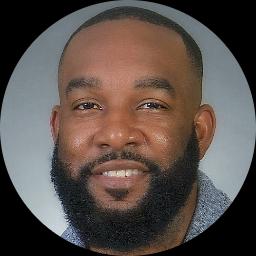
Dr. Brandon Lowe
Collaborative care for stress and life changes
LCMHC North Carolina
- Experience
- 18 years in practice
- Focus areas
- Stress, Anxiety, Addictions, Trauma and abuse
- Approaches
- Cognitive Behavioral Therapy (CBT), Client-Centered Therapy
- Languages
- English
About Brandon
Dr. Brandon Lowe is a licensed clinical mental health counselor (LCMHC) based in North Carolina who focuses on helping people manage stress, anxiety, addictions, trauma and abuse, self-esteem, and major life transitions.
Background and approach
He frames therapy as a collaborative effort and adapts conversations and plans to the individual needs and circumstances of each person he sees. With 18 years of professional experience, he draws on a range of methods to support practical coping skills and emotional insight.
His practice also attends to related concerns such as abandonment, family of origin issues, chronic pain and illness, communication problems, and recovery from domestic violence or substance misuse. Dr.
Lowe uses several established approaches, including cognitive behavioral techniques and client-centered strategies, to address patterns of thinking and behavior while keeping the client’s goals central. He emphasizes respect, sensitivity, and compassion in sessions and supports clients through the challenge of making changes toward a more fulfilling life.
How therapeutic approaches translate to online care
Dr. Brandon Lowe commonly uses cognitive behavioral approaches and client-centered principles in his practice. Cognitive behavioral techniques focus on identifying and changing unhelpful thoughts and behaviors, which can be useful for managing anxiety, stress, and addictive patterns. Client-centered work emphasizes empathy, active listening, and tailoring sessions to each person's priorities, helping people feel heard and supported as they explore changes.Finding the right approach often happens through collaboration; the therapist works with clients to determine which methods best match their goals, needs, and preferences. This process may combine structured skill-building with open-ended conversation so treatment can adapt over time as progress and priorities evolve.
Online formats include video calls, phone sessions, live chat, and text-based messaging, which provide flexibility for scheduling and access from different locations. These options make it easier to continue consistent work on stress, mood, addiction recovery, and life transitions while fitting therapy into a busy routine.
Frequently asked questions
What concerns does this therapist commonly address?
What is the therapist's general approach or style?
How much clinical experience does he have?
What are his credentials and where is he located?
Does he offer services in multiple languages or to international clients?
What session formats are available?
How is pricing handled for sessions?
What steps are involved in starting therapy with him?
Areas of expertise
Additional focus areas
Therapeutic approaches
Experience
18+ years
Licensed
North Carolina
Languages
English