
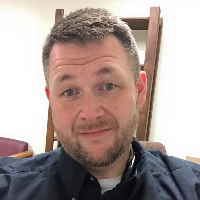
Timothy Rowell
Compassionate, practical therapy for lasting change
LCSW Florida
- Experience
- 13 years in practice
- Focus areas
- Stress, Anxiety, Addictions, Self esteem
- Approaches
- Cognitive Behavioral Therapy (CBT), Acceptance and Commitment Therapy (ACT)
- Languages
- English
About Timothy
Timothy Rowell is a licensed clinical social worker (LCSW) practicing in Florida with 13 years of clinical experience.
Background and approach
He works with adults facing a broad range of concerns including stress, anxiety, depression, mood disorders such as bipolar, addiction, trauma and abuse, grief, relationship and family difficulties, and challenges related to career, parenting, and life transitions. His practice also addresses issues like infidelity, jealousy, personality disorders, phobias, and compassion fatigue.
Rowell emphasizes a collaborative, nonjudgmental therapeutic relationship where honesty and mutual respect guide the work. He draws on evidence-informed methods including cognitive behavioral therapy (CBT), acceptance and commitment therapy (ACT), dialectical behavior therapy (DBT), emotionally-focused therapy (EFT), and client-centered approaches to shape treatment plans that fit each person’s needs.
Sessions focus on practical strategies, skills-building, and exploring values to support meaningful change. Clients can expect a straightforward, compassionate clinician who tailors interventions to individual goals and preferences.
His aim is to partner with people as they work toward improved coping, clearer priorities, and a better quality of life.
Applying practical therapies in online sessions
Cognitive Behavioral Therapy (CBT) focuses on identifying and changing unhelpful thinking and behavior patterns. It typically uses structured exercises and skill-building to reduce symptoms like anxiety, depression, and problematic habits. Acceptance and Commitment Therapy (ACT) helps people clarify their values and develop psychological flexibility by combining mindfulness and commitment-based strategies to cope with difficult thoughts and feelings. Client-Centered Therapy emphasizes empathy, unconditional positive regard, and a supportive therapeutic relationship to help clients explore personal goals and gain self-understanding.
Finding the best approach is part of the therapeutic process; the therapist works collaboratively to match methods to a person’s goals, preferences, and the challenges they bring. Early sessions often involve exploring what matters most to the client and trying techniques that fit their life so the plan can be adjusted as progress unfolds.
Online therapy options include video calls, phone sessions, live chat, and text-based messaging, offering greater flexibility for scheduling and easier access from different locations. These formats make it simpler to maintain consistent care while balancing work, family, and other commitments, and allow licensed professionals to use the same practical tools and exercises they would in person.
Frequently asked questions
What kinds of problems does he address?
What is his therapeutic style?
How much clinical experience does he have?
What are his credentials and where does he practice?
Does he work with non-English speaking or international clients?
What session formats are offered?
How are fees and billing handled?
How do I begin working with him?
Areas of expertise
Primary focus
Also works with
Additional focus areas
Therapeutic approaches
Experience
13+ years
Licensed
Florida
Languages
English