
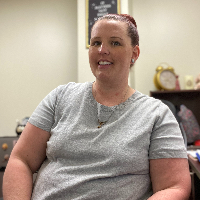
Tara Lineberry
Practical skills and compassionate support
LICSW, LCSW Virginia
- Experience
- 10 years in practice
- Focus areas
- Stress, Anxiety, Relationship, Family
- Approaches
- Cognitive Behavioral Therapy (CBT), Emotionally-Focused Therapy (EFT)
- Languages
- English
About Tara
Tara Lineberry is a Licensed Independent Clinical Social Worker (LICSW) and a Licensed Clinical Social Worker (LCSW) practicing in Virginia with ten years of clinical experience.
Background and approach
She blends practical, skills-based methods with a warm, nonjudgmental presence, drawing on Cognitive Behavioral Therapy among other approaches to help clients examine patterns of thinking, emotion, and behavior.
Her work has frequently focused on trauma, addiction, eating concerns, domestic violence and sexual assault, and mood and anxiety disorders, and she places strong emphasis on identifying strengths clients can use during difficult times. Her counseling style is caring and respectful, centered on building trust so people can bring forward sensitive material and work through it.
Tara values collaboration and often acts as a steady sounding board while guiding clients to explore feelings, develop coping skills, and cultivate greater self-understanding. She also integrates techniques from emotion-focused and mindfulness-based practices to address relationship strain, grief, self-esteem, and life transitions.
Tara earned her Master of Social Work from the University of Southern California and maintains licensure in Virginia (MA LICSW 124783, VA LCSW 0904011010). She offers a range of online formats including messaging, live chat, phone, and video, and accepts international clients while scheduling to accommodate varied availability.
Online therapy using evidence-informed approaches
Cognitive Behavioral Therapy (CBT) focuses on identifying and changing unhelpful thought and behavior patterns to reduce symptoms of anxiety, depression, and stress. It typically involves practical exercises and skill-building to help clients respond differently to difficult situations. EMDR is a trauma-focused method that uses structured processing to help people reprocess distressing memories and reduce their emotional hold, often used when traumatic events underlie current symptoms.
Choosing the right approach is a collaborative process. The therapist will work with each person to assess needs, preferences, and goals and then adapt methods accordingly, combining tools from different approaches when that best supports progress. Clients are invited to be active partners in deciding what feels most helpful.
Online formats include video calls, phone sessions, live chat, and text-based messaging, offering flexibility for busy schedules and varied communication preferences. These options make it easier to maintain continuity of care from different locations and to access support during evenings or weekends, while allowing licensed professionals to tailor session style and frequency to each client’s circumstances.
Frequently asked questions
What concerns does this therapist commonly address?
What is her therapeutic approach and style?
How much clinical experience does she bring?
What credentials and location information are available?
Can clients who live outside the United States work with her?
Which session formats does she offer for online work?
How is cost and scheduling handled?
What steps do I take to begin working with her?
Areas of expertise
Primary focus
Also works with
Additional focus areas
Therapeutic approaches
Experience
10+ years
Licensed
Virginia, Massachusetts
Languages
English