
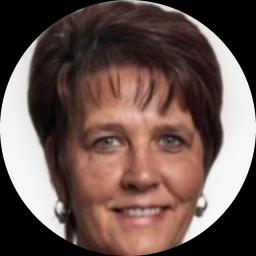
Tanya Lance
Compassionate, practical therapy for daily life
LCMHC North Carolina
- Experience
- 20 years in practice
- Focus areas
- Stress, Anxiety, Anger, Self esteem
- Approaches
- Cognitive Behavioral Therapy (CBT), Client-Centered Therapy
- Languages
- English
About Tanya
Tanya Lance is an LCMHC practicing in North Carolina who combines evidence-informed methods with a holistic sensibility to support clients navigating stress, anxiety, anger, low self-esteem, depression, and compassion fatigue.
Background and approach
She draws on Cognitive Behavioral Therapy along with client-centered and mindfulness-based perspectives to help people identify unhelpful thoughts, practice new coping skills, and cultivate greater self-acceptance. With two decades of clinical experience, Tanya emphasizes practical tools that can be applied day to day while respecting each person’s unique story.
Her work also addresses related concerns such as communication problems, forgiveness, guilt and shame, life purpose, self-love, and social anxiety or phobia. Tanya frames therapy as a collaborative process in which the client’s strengths guide treatment, and she supports gradual change through solution-focused strategies and skills taught in DBT and mindfulness practice.
She encourages clients to see progress as a sequence of small, meaningful steps rather than an overnight transformation.
Therapeutic approaches and online access
CBT focuses on identifying and changing patterns of thinking and behavior that contribute to anxiety, depression, and low self-esteem; it is practical and skill-oriented, helping clients test new ways of responding to daily challenges. Client-centered therapy emphasizes empathy, validation, and the client’s own goals, creating space for self-exploration and strengthening the person’s sense of agency. Dialectical Behavior Therapy teaches concrete skills for emotion regulation, distress tolerance, and interpersonal effectiveness, which can be especially helpful for intense emotions and relationship conflicts.Deciding which approach fits best is part of the collaborative process. The therapist will work with the client to consider needs, goals, and personal preferences and may blend techniques so a plan reflects what feels most helpful for the individual. This flexibility allows adjustments as progress is made and priorities shift.
Offering video calls, phone sessions, live chat, and text-based messaging, this practice aims to make therapy accessible around work and life demands. These formats support continuity of care when schedules are tight and allow clients to use the modes of communication that feel most comfortable, promoting regular practice of skills and continued momentum between sessions.
Frequently asked questions
What concerns does Tanya commonly address?
How would you describe her therapeutic style?
What is her professional background and experience?
What credentials and location are listed for this therapist?
Can I work with her if English is not my first language?
Which session formats does she offer?
How are costs and payment structured?
What are the steps to begin working together?
Areas of expertise
Primary focus
Additional focus areas
Therapeutic approaches
Experience
20+ years
Licensed
North Carolina
Languages
English