
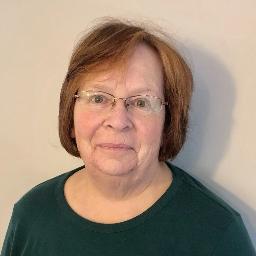
Susan Ryder
Calm, practical, collaborative therapy
LCPC Maine
- Experience
- 17 years in practice
- Focus areas
- Stress, Anxiety, Self esteem, Depression
- Approaches
- Cognitive Behavioral Therapy (CBT), Client-Centered Therapy
- Languages
- English
About Susan
Susan Ryder brings 17 years of clinical experience to her practice as an LCPC based in Maine. She centers her work on evidence-informed methods such as Cognitive Behavioral Therapy while honoring each person as the expert on their own life.
Background and approach
Her style emphasizes collaboration and listening, helping clients identify strengths and practical strategies to face anxiety, depression, stress, and life transitions. She works with people confronting a wide range of concerns including motivation and self-esteem struggles, grief and coping with change, compassion fatigue and caregiver stress, and a variety of relationship and intimacy-related issues.
Addictions and process behaviors, ADHD, parenting challenges, and seasonal mood shifts are also within her focus, alongside complicated family dynamics like blended family issues, divorce, and communication problems. Susan values a client-centered stance that combines goal-focused techniques with narrative and motivational approaches to foster meaningful progress.
Prospective clients in Maine can expect a respectful, strengths-oriented partnership aimed at practical coping skills and clearer direction during difficult periods.
Therapeutic approaches adapted for online care
Many clients benefit from Cognitive Behavioral Therapy, which focuses on identifying unhelpful thinking patterns and testing new behaviors to reduce anxiety, depression, and stress. Client-Centered Therapy emphasizes empathy, validation, and a nonjudgmental space where the client’s perspective guides the work and builds self-trust. Motivational Interviewing helps people clarify their own values and increase intrinsic motivation to change habits related to addiction, health, or life transitions.Choosing the right approach is a collaborative process. The therapist will work with each person to explore needs, goals, and preferences, and may integrate elements from different methods to match what feels most useful and realistic for the client’s situation.
Online formats include video calls, phone sessions, live chat, and text-based messaging, which make scheduling more flexible and allow therapy to fit into busy lives. These options let clients access licensed professionals from home or other locations within the therapist's service area, supporting consistent progress even when in-person visits are difficult.
Frequently asked questions
What concerns does this therapist commonly address?
What is the overall therapeutic approach and style?
How much clinical experience does the therapist have?
What are the therapist's credentials and location?
Are sessions available in other languages or for international clients?
Which session formats are offered for working together?
How are fees and payment structured?
What are the first steps to begin therapy?
Areas of expertise
Also works with
Additional focus areas
Therapeutic approaches
Experience
17+ years
Licensed
Maine
Languages
English