
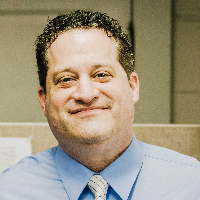
Shlomo Lawrence
Compassionate LMFT guiding practical recovery
LMFT Florida
- Experience
- 12 years in practice
- Focus areas
- Stress, Anxiety, Addictions, Relationship
- Approaches
- Cognitive Behavioral Therapy (CBT), Client-Centered Therapy
- Languages
- English
About Shlomo
Shlomo Lawrence is a Licensed Marriage and Family Therapist (LMFT) practicing in Florida with more than a decade of experience in counseling.
Background and approach
He has worked across community treatment, addiction programs that address co-occurring disorders, and trauma-focused settings, and brings clinical experience with stress, anxiety, depression, bipolar disorder, addictions, relationship and family conflicts, grief, intimacy and sexual concerns, and ADHD. His background includes work with survivors of trauma and individuals facing complex clinical presentations.
Lawrence describes his style as compassionate and attentive, emphasizing active listening and collaborative support. He uses a range of therapeutic methods drawn from cognitive behavioral therapy (CBT), client-centered approaches, dialectical behavior therapy (DBT), EMDR, and mindfulness practices, tailoring interventions to a person’s needs.
He also draws on solution-focused, narrative, structural, and integrative couples techniques when appropriate. Raised by first-generation survivors of Nazi Germany, he brings a personal understanding of intergenerational trauma and a commitment to community service.
He holds licensure in Florida (TX LMFT 204306, FL LMFT MT2918) and offers sessions in English, aiming to help people navigate life changes, relationship struggles, and recovery from trauma through practical skills and empathic collaboration.
Therapeutic approaches and online options
Shlomo combines evidence-informed approaches to tailor treatment to each person's situation. Cognitive Behavioral Therapy (CBT) focuses on identifying and shifting unhelpful thoughts and behaviors to reduce symptoms and improve daily functioning; it is often useful for anxiety, depression, stress, and many mood or behavioral concerns. Eye Movement Desensitization and Reprocessing (EMDR) is a trauma-focused method that helps process distressing memories and related symptoms through structured protocols and was a notable part of his trauma work. Dialectical Behavior Therapy (DBT) offers practical skills in emotion regulation, distress tolerance, and interpersonal effectiveness that can be helpful for mood instability, intense emotions, and relationship difficulties.Finding the right approach is a collaborative process; he works with clients to identify goals and then recommends techniques or combinations of methods that fit their needs and preferences. That partnership helps shape an individualized plan rather than prescribing a single method from the start.
Online therapy options include video calls, phone sessions, live chat, and text-based messaging, providing flexibility for people with busy schedules or those who prefer remote care. These formats make it easier to access consistent support and to use CBT, EMDR-informed strategies, DBT skills training, and mindfulness practices in ways that fit a client's daily life.
Frequently asked questions
What concerns does this therapist commonly address?
How would you describe the therapeutic approach and style?
What is the therapist's background and experience level?
Where is the therapist licensed and located?
Does he offer services in other languages or to international clients?
What session formats are available for online work?
How is cost handled for sessions?
What are the steps to begin working together?
Areas of expertise
Primary focus
Also works with
Additional focus areas
Therapeutic approaches
Experience
12+ years
Licensed
Florida, Texas
Languages
English