
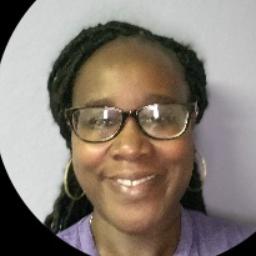
Shanda Hope
Compassionate, experienced clinician focused on growth
LCSW Florida
- Experience
- 26 years in practice
- Focus areas
- Stress, Anxiety, Trauma and abuse, Anger
- Approaches
- Cognitive Behavioral Therapy (CBT), Acceptance and Commitment Therapy (ACT)
- Languages
- English
About Shanda
Shanda Hope is a licensed clinical social worker practicing in Florida who brings 26 years of experience to work with clients facing stress, anxiety, trauma and abuse, depression, anger, self-esteem concerns, relationship and family challenges, grief, parenting difficulties, bipolar disorder, and ADHD.
Background and approach
She emphasizes clients' strengths and views each person as the expert on their own story while offering guidance to build motivation, confidence, and coping skills. Her approach aims to support people through challenging transitions and emotional pain with compassion and practical strategies.
Drawing on a range of modalities including Cognitive Behavioral Therapy, Acceptance and Commitment Therapy, Dialectical Behavior Therapy, Client-Centered Therapy, and the Gottman Method, she blends evidence-informed techniques with a collaborative, empowering stance.
Shanda encourages clients to take courageous steps toward a more fulfilling life and works to help them develop tools for long-term emotional regulation, healthier communication, and improved self-understanding. Her practice emphasizes partnership, skill-building, and realistic goal setting to help clients move forward.
Approaches that guide online work and what to expect
Shanda often uses Cognitive Behavioral Therapy to help clients identify unhelpful thought patterns and shift behaviors through practical, skills-based exercises; this approach can be useful for anxiety, depression, and stress-related problems. She also draws on Acceptance and Commitment Therapy to build psychological flexibility, helping people clarify values and take committed steps toward meaningful goals while learning to relate differently to difficult emotions. In addition, elements of Client-Centered Therapy inform her stance, offering empathic listening and support to foster self-awareness and empowerment.Deciding which approach to use is a collaborative process. The therapist will discuss goals, preferences, and what has or hasn’t worked in the past, then tailor methods to fit the client's needs rather than applying a single technique by default. Clients are invited to give feedback so plans can be adjusted as therapy progresses.
Online sessions are offered as video calls, phone sessions, live chat, or text-based messaging to provide flexible options for participation. These formats make it easier to attend appointments from home or elsewhere, accommodate different communication styles, and allow continuity of care around busy schedules or geographic constraints.
Frequently asked questions
What concerns does this therapist address?
How would you describe her therapeutic approach and style?
What is her professional background and experience level?
Where is she licensed and what are her credentials?
Does she offer services in other languages or to international clients?
What session formats are available?
How much do sessions cost?
What are the steps to begin therapy with her?
Areas of expertise
Primary focus
Additional focus areas
Therapeutic approaches
Experience
26+ years
Licensed
Florida
Languages
English