
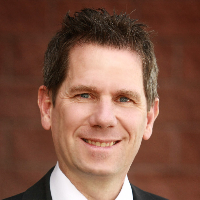
Dr. Russell Gaede
Insightful CBT with practical tools
LCMHC Utah
- Experience
- 25 years in practice
- Focus areas
- Stress, Anxiety, Addictions, Relationship
- Approaches
- Cognitive Behavioral Therapy (CBT), Existential Therapy
- Languages
- English
About Russell
Dr. Russell Gaede centers his work in Cognitive Behavioral Therapy while integrating existential and mindfulness perspectives to help clients find practical change and deeper meaning.
Background and approach
With 25 years of clinical experience and the LCMHC credential, he offers a blend of structured skill-building and thoughtful exploration to address concerns such as anxiety, depression, addictions, relationship and family difficulties, grief, self-esteem, and career questions.
His background includes work with adults facing addiction, mood disorders, and people navigating life transitions, and he adapts interventions to each person’s goals and situation. Clients can expect a professional who balances seriousness with a relaxed, approachable manner.
Dr. Gaede draws from solution-focused methods along with CBT and mindfulness to target symptoms and improve coping, while existential ideas help clients explore values and purpose.
He is based in Utah, works in English, and accepts international clients, offering flexible session formats to fit different needs. Practical problem solving and collaborative planning are emphasized so clients leave with concrete tools and clearer direction.
Practical Approaches for Online Change and Meaning
Dr. Gaede uses Cognitive Behavioral Therapy to help clients identify unhelpful thought patterns and develop practical strategies to reduce symptoms like anxiety, panic, and obsessive thoughts. He also draws on Existential Therapy to support exploration of life purpose, values, and decisions when clients face major transitions or questions about meaning and commitment. These approaches can be applied to a wide variety of concerns and are tailored to what each person brings.Choosing the right therapeutic approach is a collaborative process. The therapist works together with clients to assess needs, preferences, and goals, then adapts techniques over time so the work feels useful and relevant. That collaboration helps ensure sessions emphasize both symptom relief and personal priorities.
Online formats include video calls, phone sessions, live chat, and text-based messaging, offering flexibility for different schedules and comfort levels. Video can facilitate face-to-face interaction when helpful, while messaging and chat provide options for ongoing check-ins or people who prefer written communication. These options make it simpler to maintain continuity of care across distances and life demands.
Frequently asked questions
What concerns does this therapist commonly address?
What is his therapeutic style like?
How much clinical experience does he have?
What credentials and location are listed for this therapist?
Can clients who live outside the United States work with him?
In what session formats does he offer therapy?
How are costs and billing handled?
What are the first steps to begin working with him?
Areas of expertise
Primary focus
Also works with
Additional focus areas
Therapeutic approaches
Experience
25+ years
Licensed
Utah
Languages
English