
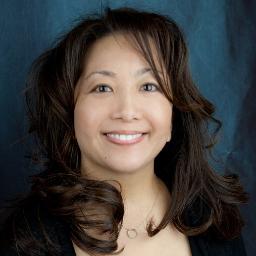
Dr. Rebecca Wiersma
Compassionate clinical social worker focused on practical change
LMSW Michigan
- Experience
- 11 years in practice
- Focus areas
- Stress, Anxiety, Parenting, Bipolar
- Approaches
- Cognitive Behavioral Therapy (CBT), Attachment-Based Therapy
- Languages
- English
About Rebecca
Dr. Rebecca Wiersma brings over a decade of practice in mental health to her work, combining clinical social work training with a doctorate in philosophy focused on social work practice.
Background and approach
She is a licensed master social worker (LMSW) based in Michigan and has supported people across a broad range of concerns including anxiety, depression, bipolar disorder, trauma and abuse, parenting and attachment issues, grief, and coping with life changes.
Her style centers on a client-focused stance that adapts methods to each person’s needs rather than relying on a single protocol. She commonly draws from cognitive behavioral techniques alongside attachment-informed and mindfulness-based strategies, tailoring interventions to address mood, relationship, and behavioral challenges.
Dr. Wiersma’s background includes work with emotional and behavioral difficulties, family of origin questions, and complex mood presentations such as disruptive mood dysregulation.
Clients can expect an approach that values collaboration and practical skills alongside exploration of underlying patterns. She offers services in English from Michigan and combines psychotherapeutic theory with pragmatic tools to help people manage stressors, improve relationships, and pursue clearer life purpose and functioning.
Therapeutic Approaches and Online Care
Dr. Wiersma commonly integrates cognitive behavioral therapy and attachment-based work into her online practice. Cognitive behavioral therapy focuses on identifying and shifting unhelpful thoughts and behaviors to reduce symptoms like anxiety and depression and to build concrete coping skills. Attachment-based therapy explores relational patterns and early bonds to help improve current relationship functioning, parenting concerns, and issues rooted in family of origin.Finding the right approach is treated as a collaborative process; the therapist partners with each client to determine which methods best match their goals, preferences, and presenting concerns. Treatment plans are adjusted over time so methods that feel less helpful can be replaced or complemented by other strategies to better support progress.
Online sessions are offered through video calls, phone sessions, live chat, and text-based messaging to provide flexible access to care. These options allow scheduling that fits busy lives and make it possible to use a mix of real-time conversations and written exchanges for skill practice, reflections, and check-ins between sessions.
Frequently asked questions
What kinds of concerns does this therapist address?
What is her general therapeutic style?
How much clinical experience does she have?
What are her credentials and where is she located?
Does she provide therapy in languages other than English or accept international clients?
In what formats are sessions available?
How are costs and scheduling handled?
What steps are required to begin working with her?
Areas of expertise
Primary focus
Also works with
Additional focus areas
Therapeutic approaches
Experience
11+ years
Licensed
Michigan
Languages
English