
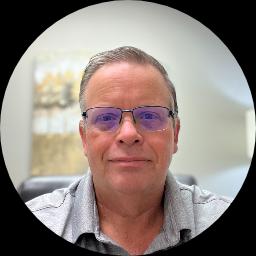
Michael Nichols
Practical, goal-focused therapy with compassion
LCMHC North Carolina
- Experience
- 20 years in practice
- Focus areas
- Stress, Anxiety, Relationship, Anger
- Approaches
- Cognitive Behavioral Therapy (CBT), Solution-Focused Therapy
- Languages
- English
About Michael
Michael Nichols draws on two decades of clinical work to offer focused, practical psychotherapy grounded in Cognitive Behavioral Therapy and solution-focused methods. He emphasizes respectful, sensitive, and compassionate care while shaping conversations and treatment plans to fit each person's circumstances.
Background and approach
His practice concentrates on stress and anxiety, relationship difficulties, anger management, depression, and coping with life changes, with additional attention to communication problems, impulsivity, men's issues, veteran and armed forces concerns, and social anxiety and phobia. Licensed as an LCMHC in North Carolina, he approaches therapy with an adaptable, problem-solving mindset that prioritizes clear goals and measurable steps.
Sessions aim to identify unhelpful patterns, build practical coping skills, and expand options for responding to everyday challenges. Michael recognizes that beginning therapy takes courage and works to make the process approachable while collaborating with clients to find what helps most for their goals and values.
Evidence-Informed Approaches for Online Work
Michael uses Cognitive Behavioral Therapy to help clients spot unhelpful thoughts and behaviors, then practice concrete skills to reduce symptoms of anxiety, depression, or stress. This approach breaks problems into manageable parts and focuses on changing patterns that maintain distress.He also incorporates Solution-Focused Therapy, which concentrates on clarifying goals and identifying small, achievable steps toward preferred outcomes. That method can be especially useful for improving communication, managing impulsivity, or navigating life transitions by building on existing strengths.
Choosing the right approach is part of the therapeutic process, and he treats this as a collaborative exploration. The therapist will work with clients to consider their needs, preferences, and goals, adjusting methods as treatment progresses to find the best fit.
Online sessions are offered via video calls, phone, live chat, or text-based messaging to provide flexibility around work, family, and geographic constraints. These formats make it easier to maintain continuity of care and to access consistent support when life circumstances change, while allowing therapists and clients to focus on practical strategies and real-world problem solving.
Frequently asked questions
What kinds of concerns does this therapist address?
What therapeutic style can I expect during sessions?
How much clinical experience does the therapist have?
What are the therapist's credentials and where is he licensed?
Are sessions offered in languages other than English?
Which session formats are available for remote work?
How are fees and payment structured?
What is the process for beginning therapy?
Areas of expertise
Primary focus
Additional focus areas
Therapeutic approaches
Experience
20+ years
Licensed
North Carolina
Languages
English