
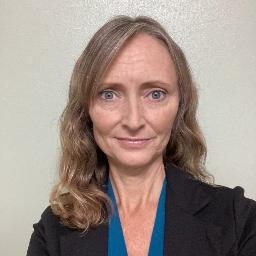
Maggie Johnson
Calm, practical support for change
LPCC Minnesota
- Experience
- 9 years in practice
- Focus areas
- Stress, Anxiety, Anger, Self esteem
- Approaches
- Cognitive Behavioral Therapy (CBT), Client-Centered Therapy
- Languages
- English
About Maggie
Maggie Johnson is an LPCC based in Minnesota who helps people navigate stress, anxiety, depression, bipolar disorder, substance use, trauma, anger, relationship strains, grief, and a wide range of life transitions.
Background and approach
She draws on nearly a decade of clinical experience to support clients dealing with self-esteem, intimacy and family issues, eating and sleeping concerns, parenting and career stresses, and compassion fatigue. Additional focus areas include attachment and communication problems, caregiver stress, divorce and separation, domestic violence, and problems related to substance use and recovery.
Her practice centers on a collaborative, goal-oriented style that blends cognitive behavioral techniques with client-centered and mindfulness-informed strategies. Maggie uses cognitive restructuring to address unhelpful thinking patterns, mindfulness practices to build present-moment awareness, and motivational interviewing and narrative approaches to explore values and create workable change.
The result is a practical, relational approach aimed at helping clients build coping skills and chart realistic steps forward. Clients in Minnesota can expect professional, empathetic care from someone who balances evidence-informed methods with attention to each person’s story and strengths.
How therapeutic approaches translate to online care
Cognitive Behavioral Therapy focuses on identifying and changing unhelpful thoughts and behaviors. In practice this means learning skills like cognitive restructuring and behavioral experiments to reduce anxiety, manage mood, and address patterns that contribute to distress.
Client-Centered Therapy emphasizes empathy, active listening, and building a strong therapeutic relationship. This approach helps clients feel heard and supported while they explore values, make decisions, and work toward personal growth.
Finding the right approach is part of the therapeutic process, and Maggie collaborates with each person to determine what methods fit their needs and goals. Together they may combine CBT techniques, mindfulness practices, motivational interviewing, or narrative work to create a personalized plan that respects preferences and pace.
Online therapy formats include video calls, phone sessions, live chat, and text-based messaging, offering flexibility for busy schedules and geographical convenience. These options make it easier to maintain continuity of care during life transitions and allow clients to access ongoing support from licensed professionals in ways that match their communication style and availability.
Frequently asked questions
What concerns does Maggie commonly address?
How would you describe her therapeutic style?
What is her clinical background and experience?
What credentials and location are listed for this therapist?
In what language can sessions be conducted and are international clients accepted?
Which session formats are available for online work?
How is pricing handled for sessions?
What are the steps to begin working together?
Areas of expertise
Primary focus
Also works with
Additional focus areas
Therapeutic approaches
Experience
9+ years
Licensed
Minnesota
Languages
English