
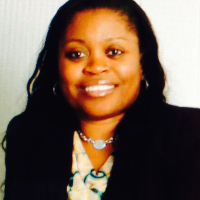
Dr. Latasha McIlwaine
Experienced clinician blending practical therapies
LPC North Carolina
- Experience
- 18 years in practice
- Focus areas
- Addictions, Relationship, Self esteem
- Approaches
- Cognitive Behavioral Therapy (CBT), Dialectical Behavior Therapy (DBT)
- Languages
- English
About Latasha
Dr. Latasha McIlwaine focuses on helping people manage addictions, relationship challenges, self-esteem struggles, career concerns, and depression while also addressing related areas such as codependency, blended family issues, domestic violence, and feelings of emptiness.
Background and approach
She brings 18 years of clinical experience across North Carolina, South Carolina, and Georgia and has worked with adults, children, couples, and families on a broad range of emotional and behavioral needs. Dr.
McIlwaine holds an LPC credential and completed doctoral study in Counseling Psychology, bringing both clinical and educational experience to her practice. Her approach integrates evidence-informed methods including Cognitive Behavioral Therapy (CBT), Dialectical Behavior Therapy (DBT), mindfulness techniques, motivational interviewing, and solution-focused strategies.
She also draws on training in anger management, marriage and family therapy, and work with intellectual disability and autism spectrum concerns. In addition to clinical work, she teaches therapists-in-training and is an author.
Dr. McIlwaine practices through Insightful Options, PLLC, offering teletherapy services from North Carolina, and accepts international clients in English.
Approaches That Translate Well to Online Therapy
Cognitive Behavioral Therapy (CBT) focuses on identifying and changing unhelpful thought and behavior patterns; it is often used to address depression, anxiety, addictions, and relationship patterns by teaching practical skills and strategies. Dialectical Behavior Therapy (DBT) combines emotion regulation, distress tolerance, and interpersonal effectiveness skills to help manage intense emotions, improve relationships, and reduce self-destructive behaviors.
Choosing the right approach is a collaborative process. The therapist will work with each client to explore goals, preferences, and presenting concerns, adapting methods such as CBT or DBT as needed to fit the individual’s situation and pace. That partnership helps shape a tailored plan rather than relying on a single protocol.
Online therapy here is offered through video calls, phone sessions, live chat, or text-based messaging, which can make scheduling more flexible and reduce travel time. These formats can support ongoing skill practice, check-ins between sessions, and access for people who need adaptable options while balancing work, family, or other responsibilities.
Frequently asked questions
What concerns does this therapist commonly address?
What therapeutic approach does she use in sessions?
How long has she been practicing clinically?
What credentials and licensure does she hold and where is she based?
Are sessions available in languages other than English or to international clients?
Which formats are offered for therapy sessions?
How is cost handled for ongoing sessions?
What are the steps to begin working with this therapist?
Areas of expertise
Primary focus
Additional focus areas
Therapeutic approaches
Experience
18+ years
Licensed
North Carolina, South Carolina, Georgia
Languages
English