
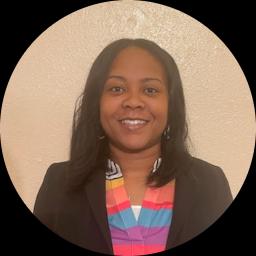
Latasha Hicks
Kind, goal-focused therapy for real-life challenges
LCSW Louisiana
- Experience
- 11 years in practice
- Focus areas
- Stress, Anxiety, Relationship, Trauma and abuse
- Approaches
- Cognitive Behavioral Therapy (CBT), Acceptance and Commitment Therapy (ACT)
- Languages
- English
About Latasha
Latasha Hicks is an LCSW who centers her work on goal-directed, evidence-informed care, drawing on Cognitive Behavioral Therapy alongside mindfulness and acceptance-based strategies. With 11 years of clinical experience, she focuses on helping people manage stress, anxiety, depression, grief, trauma and abuse, relationship difficulties, and symptoms of ADHD.
Background and approach
Her approach emphasizes establishing clear goals through an initial assessment and then organizing treatment to make steady, time-conscious progress toward those goals. She combines warmth and collaboration with practical interventions, adapting conversations and plans to fit each person's needs.
Latasha uses elements from client-centered and emotionally-focused therapies to create a supportive space for exploring emotions and relationships, while integrating behavioral techniques for symptom relief and skills-building. Located in Louisiana, she works in English and offers multiple online session formats to accommodate different schedules and preferences.
Latasha aims to meet clients where they are while maintaining sensitivity and respect, encouraging those who are taking the first steps toward change.
Evidence-Informed Approaches Delivered Online
Cognitive Behavioral Therapy (CBT) focuses on identifying unhelpful thoughts and behaviors and replacing them with more effective skills and patterns; it is commonly used to address anxiety, depression, stress, and symptoms of ADHD through structured, goal-oriented work. Acceptance and Commitment Therapy (ACT) emphasizes noticing thoughts and feelings without getting entangled in them while clarifying personal values and taking committed action, which can help people cope with difficult emotions and move toward meaningful goals. Client-Centered Therapy prioritizes empathetic listening and collaboration, creating space for clients to explore their experience and shape therapy at their own pace.
Choosing the right approach is a collaborative process. The therapist will work with each person to assess needs, clarify goals, and try methods that fit their preferences, adjusting strategies as progress unfolds. That shared exploration helps ensure sessions remain relevant and focused on practical outcomes.
Online therapy offers flexibility through video calls, phone sessions, live chat, and text-based messaging, making it easier to schedule care around work, family, and other commitments. These formats let licensed professionals deliver structured interventions, skills coaching, and emotional support without requiring travel, supporting consistent engagement and continuity of care.
Frequently asked questions
What kinds of concerns does she address?
What is her therapeutic style like?
How much clinical experience does she have?
What credentials and location are listed?
Does she offer services in other languages or to international clients?
What session formats are available?
How is scheduling and cost handled?
What are the steps to begin working together?
Areas of expertise
Primary focus
Also works with
Therapeutic approaches
Experience
11+ years
Licensed
Louisiana, Maine
Languages
English