
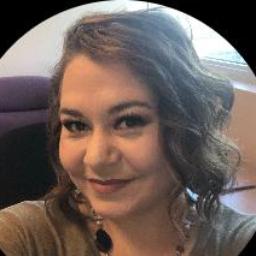
Elizabeth Meyer
Compassionate, skills-based therapy for change
LCSW North Dakota
- Experience
- 5 years in practice
- Focus areas
- Stress, Anxiety, Trauma and abuse, Grief
- Approaches
- Cognitive Behavioral Therapy (CBT), Client-Centered Therapy
- Languages
- English
About Elizabeth
Elizabeth Meyer is a Licensed Clinical Social Worker (LCSW) based in North Dakota who centers her practice on client-centered and evidence-informed methods. She draws on Cognitive Behavioral Therapy (CBT) alongside trauma-focused tools to help people manage stress, anxiety, grief, and symptoms related to past abuse or post-traumatic stress.
Background and approach
Her orientation emphasizes strengths, collaboration, and practical skills tailored to each person's situation. With five years of clinical experience, she brings focused attention to issues such as self-esteem, coping with life changes, and mood-related concerns.
Elizabeth also works with common relational and identity struggles including attachment and abandonment concerns, codependency, communication difficulties, and feelings of emptiness or isolation. Her training includes DBT, EMDR, and mindfulness approaches that inform how she addresses emotion regulation and processing traumatic memories.
Elizabeth completed social work degrees at the University of North Dakota and holds licensure in North Dakota as an LCSW. She invites people who are weighing therapy to take the initial step of a brief intake so together they can identify goals and the strategies that fit best.
How evidence-based approaches translate to online care
Elizabeth frequently uses Cognitive Behavioral Therapy (CBT) to help people identify unhelpful thought patterns and develop practical coping skills for anxiety, stress, and mood difficulties. She also draws on Client-Centered Therapy to create a supportive, nonjudgmental space where a person’s goals and values guide the work. When trauma is a focus, elements from Dialectical Behavior Therapy (DBT) can be integrated to teach emotion regulation and interpersonal effectiveness skills.Choosing the right approach is a collaborative process. The therapist will discuss goals, preferences, and symptom patterns and together with the client decide which methods or combination of methods are the best fit for their needs. Treatment plans are adjusted over time as progress and priorities evolve.
Online sessions make these approaches more accessible by offering multiple formats such as video calls, phone sessions, live chat, and text-based messaging. These options provide scheduling flexibility and allow clients to engage in therapy from locations that work for them while still working with licensed professionals who use structured, evidence-informed techniques.
Frequently asked questions
What concerns does Elizabeth commonly address?
What kind of therapeutic approach is used in sessions?
How much clinical experience does the therapist have?
What are her credentials and where is she located?
Does she provide therapy in other languages or to international clients?
Which session formats are available for working together?
How is cost handled for sessions?
What is the process to begin therapy?
Areas of expertise
Additional focus areas
Therapeutic approaches
Experience
5+ years
Licensed
North Dakota
Languages
English