
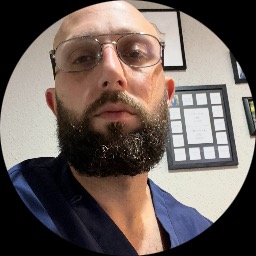
David Weiss
Practical, compassionate therapy with CBT focus
LMHC Florida
- Experience
- 13 years in practice
- Focus areas
- Stress, Anxiety, Anger, Self esteem
- Approaches
- Cognitive Behavioral Therapy (CBT), Attachment-Based Therapy
- Languages
- English
About David
David Weiss is a licensed mental health counselor (LMHC) who applies Cognitive Behavioral Therapy alongside client-centered and solution-focused techniques to help people navigate stress, anxiety, anger, low self-esteem, depression, and life transitions.
Background and approach
He draws on 13 years of clinical experience working with concerns that also include grief, sleep difficulties, parenting and career stress, compassion fatigue, and ADHD, as well as a range of relationship and attachment challenges.
His practice integrates practical skill-building with reflective exploration, emphasizing personal responsibility as a starting point for change while recognizing the wider context of each person's life. David has worked across settings that address substance use and family services, and he brings that breadth into goal-focused sessions that balance insight with concrete strategies.
He is based in Florida and holds the FL LMHC MH16712 credential. David communicates in English and accepts international clients, offering flexible online formats such as video calls, phone sessions, live chat, and text-based messaging.
Prospective clients begin by selecting the Start Therapy button, completing a brief matching questionnaire, and scheduling according to therapist availability.
Approach-Informed Online Care for Practical Change
David commonly uses Cognitive Behavioral Therapy and client-centered therapy in online work. CBT focuses on identifying unhelpful thoughts and behaviors and replacing them with more adaptive patterns, which can help with anxiety, depression, sleep problems, and anger. Client-centered therapy emphasizes a supportive, nonjudgmental relationship where the therapist listens closely and helps clients clarify their own goals and values.Choosing the right approach is a collaborative process. The therapist works with each person to explore their goals, symptoms, and preferences, then adapts methods over time to find what fits best. That flexibility allows sessions to focus on immediate problem-solving or deeper exploration depending on what the client needs.
Online formats include video calls, phone sessions, live chat, and text-based messaging to increase flexibility and access. These options make it easier to fit therapy into busy schedules, continue work while traveling, or maintain momentum between in-person care alternatives, while still allowing therapists to apply structured techniques and conversational support effectively.
Frequently asked questions
What concerns does he commonly address?
How would you describe his therapeutic style?
What is his clinical background and experience?
What are his credentials and where is he located?
Does he offer services to nonlocal or international clients?
Which session formats are available for working together?
How are fees and subscriptions handled?
What are the first steps to begin therapy?
Areas of expertise
Primary focus
Also works with
Additional focus areas
Therapeutic approaches
Experience
13+ years
Licensed
Florida
Languages
English