
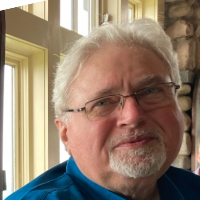
David Tymchyn
Collaborative, practical therapy focused on empowerment
LCSW New York
- Experience
- 22 years in practice
- Focus areas
- Stress, Anxiety, Addictions, Trauma and abuse
- Approaches
- Cognitive Behavioral Therapy (CBT), Client-Centered Therapy
- Languages
- English
About David
David Tymchyn offers a practical, respectful approach for adults seeking help with stress, anxiety, addictions, grief, relationship challenges, mood concerns, and related life changes. He meets clients where they are and works collaboratively to identify goals and steps forward, emphasizing empowerment and increased self-understanding.
Background and approach
David frames therapy as a team effort that builds on strengths while addressing patterns that interfere with daily functioning. Trained with a master’s degree in Social Work from the University at Albany, David holds an LCSW and brings 22 years of practice experience across a range of human services settings.
Much of his work has involved supporting people with substance use disorders and their families, and he also focuses on trauma, compassion fatigue, ADHD, eating and personality-related concerns, and issues affecting LGBT clients. He values mutual respect and derives professional fulfillment from helping clients overcome obstacles and enhance their lives.
Based in New York, David offers a steady, client-centered stance paired with goal-focused techniques to help people develop insight and practical coping strategies. He is open to international clients and adapts interventions to fit each person’s needs and preferences.
Integrating evidence-based approaches into online care
Cognitive Behavioral Therapy (CBT) helps clients identify and modify unhelpful thoughts and behaviors to reduce symptoms like anxiety and low mood; it often includes practical exercises and skills that can be practiced between sessions. Client-Centered Therapy emphasizes empathy, acceptance, and collaboration so clients can explore their values and build self-understanding; this approach supports personal growth and decision-making. Motivational Interviewing complements these methods by focusing on readiness for change and helping people resolve ambivalence when making shifts related to substance use, lifestyle, or other goals.
Choosing the right combination of approaches is part of the therapeutic process and will be shaped by the client’s concerns, goals, and preferences. David works collaboratively with clients to tailor interventions, testing what fits and adjusting the plan as progress is made.
Online therapy with video calls, phone sessions, live chat, or text-based messaging provides flexibility for scheduling and lets clients engage from different locations. These options make it easier to maintain continuity of care, practice skills between sessions, and access support in ways that fit each person’s routine and comfort level.
Frequently asked questions
What concerns does David commonly address?
What is his therapeutic style and approach?
How much clinical experience does he have?
What credentials and location should I know about?
Does he offer sessions in other languages or to international clients?
Which session formats are available?
How is pricing handled for sessions?
What are the first steps to begin working together?
Areas of expertise
Also works with
Additional focus areas
Therapeutic approaches
Experience
22+ years
Licensed
New York
Languages
English