
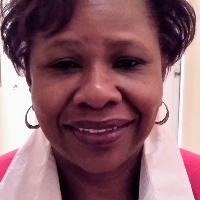
Cynthia Fulton-Solomon
Compassionate social work with practical strategies
LCSW Louisiana
- Experience
- 30 years in practice
- Focus areas
- Trauma and abuse, Anger, Self esteem
- Approaches
- Cognitive Behavioral Therapy (CBT), Client-Centered Therapy
- Languages
- English
About Cynthia
Cynthia Fulton-Solomon brings three decades of clinical social work experience to her practice and focuses on helping people navigate depression, anxiety, trauma, relationship struggles, addiction, and life transitions.
Background and approach
She draws on a warm, easygoing style that values empathy, active listening, and a bit of humor to build strong working relationships. Cynthia holds an LCSW and completed her master's degree at Southern University of New Orleans with a concentration in children, youth, and families.
Her background includes a wide range of settings and client ages, including work in the juvenile justice system providing individual and group counseling tailored to probation and parole goals. Cynthia has supported people coping with chronic homelessness, substance use concerns, post-traumatic responses, severe mental health challenges, and academic or behavioral issues for school-aged youth.
She typically adapts her methods to each person, using approaches such as cognitive behavioral strategies, client-centered techniques, motivation-focused interviewing, and behavioral interventions to address practical goals and build coping skills.
Across individual and group formats she emphasizes goal-oriented work to improve functioning at home, school, and in the community, and she partners with clients to identify solutions that fit their circumstances and values.
Evidence-Informed Approaches and Online Access
Many clients find cognitive behavioral therapy helpful for identifying unhelpful thinking patterns and building practical coping skills for depression, anxiety, and stress-related problems. Client-centered therapy focuses on creating an empathic, nonjudgmental space where the client's perspective guides the work and helps strengthen self-understanding. Dialectical behavior therapy adds concrete skills for emotion regulation, distress tolerance, and interpersonal effectiveness that can be useful for impulsivity, intense emotions, or relationship challenges.Choosing the best approach is a collaborative process. The therapist will work with each person to clarify goals, try methods that fit those goals, and adjust the plan as progress and preferences become clearer. This helps ensure treatment matches what the client wants to achieve and how they prefer to work.
Online formats such as video calls, phone sessions, live chat, and text-based messaging make it easier to fit therapy into busy schedules and daily life. These options support continuity of care for those managing work, family, school, or mobility constraints, while allowing licensed professionals to deliver structured, evidence-informed strategies and skills training remotely.
Frequently asked questions
What kinds of concerns does she commonly address?
What is her therapeutic style like?
How much clinical experience does she have?
What are her credentials and location?
Does she offer services in other languages or to international clients?
In what session formats does she work?
How are fees and subscriptions handled?
What should I expect to begin therapy?
Areas of expertise
Primary focus
Also works with
Additional focus areas
Therapeutic approaches
Experience
30+ years
Licensed
Louisiana
Languages
English