
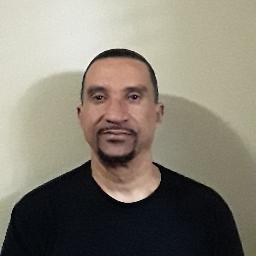
Cornell Anderson
Experienced LMHC blending practical strategies
LMHC Washington
- Experience
- 12 years in practice
- Focus areas
- Stress, Anxiety, Relationship, Family
- Approaches
- Cognitive Behavioral Therapy (CBT), Acceptance and Commitment Therapy (ACT)
- Languages
- English
About Cornell
Cornell Anderson is a licensed mental health counselor (LMHC) practicing in Washington with 12 years of clinical experience. He holds a master’s degree in Marriage and Family Therapy from Brandman University and has additional training as a Chemical Dependency Professional.
Background and approach
His background includes supporting people navigating mood instability, substance use, trauma, identity development, and a wide range of relationship and intimacy concerns. Cornell draws from a variety of evidence-informed methods to meet each person where they are, integrating Cognitive Behavioral Therapy (CBT) alongside Acceptance and Commitment Therapy, client-centered work, emotionally-focused ideas, and existential perspectives.
He is comfortable addressing issues such as anxiety, depression, addiction and process behaviors, obsessive-compulsive concerns, and sexual trauma, as well as multifaceted topics like multicultural stressors, prejudice, and non-monogamous relationship dynamics. Cornell’s approach emphasizes collaborative problem solving and attention to the patterns that maintain distress while helping clients build practical skills for more effective living.
Approaches that guide online sessions
CBT helps people identify unhelpful thinking patterns and learn new behaviors through practical exercises and structured strategies; it is commonly used for anxiety, depression, obsessions, and coping with stressful life changes. Acceptance and Commitment Therapy (ACT) focuses on clarifying values and building psychological flexibility through mindfulness and committed action, which can be helpful for persistent emotional pain, avoidance patterns, and addiction-related concerns. Client-centered therapy emphasizes a respectful, nonjudgmental relationship where the therapist listens deeply and supports clients in finding their own solutions, often benefiting identity work, relationship difficulties, and self-esteem concerns.Finding the right approach is part of the therapeutic process. Cornell collaborates with each person to determine which methods best match their goals, preferences, and life circumstances, adjusting techniques over time as needs evolve.
Online therapy with video calls, phone sessions, live chat, or text-based messaging offers flexibility for scheduling and formats that suit different comfort levels. These options make it easier to maintain continuity of care while balancing work, family, or geographic constraints, and allow therapists and clients to focus on building skills and addressing concerns in ways that fit the client’s life.
Frequently asked questions
What concerns does this therapist commonly address?
How would you describe his therapeutic style?
What is his clinical background and experience?
What are his credentials and where is he based?
Does he offer services in other languages or to international clients?
Which session formats are available for working together?
How does payment and scheduling work?
What steps should someone take to begin therapy?
Areas of expertise
Primary focus
Also works with
Additional focus areas
Therapeutic approaches
Experience
12+ years
Licensed
Washington
Languages
English