
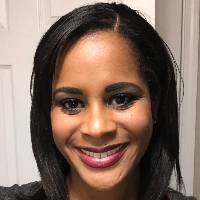
Challis Russell
Empathy-driven, skills-based therapy for everyday challenges
LPC, LCMHC South Carolina
- Experience
- 5 years in practice
- Focus areas
- Stress, Anxiety, Relationship, Family
- Approaches
- Cognitive Behavioral Therapy (CBT), Client-Centered Therapy
- Languages
- English
About Challis
Challis Russell centers care on clients seeking practical tools and empathetic support for life’s challenges. She emphasizes a holistic view that attends to emotional, social, and physical aspects of wellbeing while tailoring interventions to each person’s needs.
Background and approach
With a warm, listening stance she aims to understand what matters most to the individual and collaborates on realistic goals. Challis holds a master’s degree in clinical counseling from Johns Hopkins University and has five years of professional experience.
Her clinical work has included supporting people coping with anxiety, depression, trauma, relationship strains, and other complex stressors. She combines client-centered listening with evidence-informed techniques so clients can develop clearer thinking patterns, improved coping skills, and greater emotional balance.
Licensed in both South Carolina and North Carolina, Challis brings treatment plans that blend skills practice, mindfulness, and solution-focused strategies to address immediate concerns and longer-term growth. Her approach seeks to help people manage symptoms, repair communication, and move toward meaningful change at a pace that aligns with their values and priorities.
Approaches that translate well to online therapy
Client-centered therapy emphasizes empathy, active listening, and a nonjudgmental stance to help clients clarify their goals and feel understood. This approach supports building trust and self-exploration, which can be effective for relationship, self-esteem, and life-purpose concerns.Cognitive Behavioral Therapy (CBT) focuses on identifying and adjusting unhelpful thoughts and behaviors through structured exercises and skills practice. It is commonly used for anxiety, depression, and coping with change because it offers concrete strategies clients can apply between sessions.
Finding the right approach is a collaborative process. The therapist will discuss client goals, preferences, and the nature of presenting concerns to recommend techniques and adjust the plan over time. Many clients benefit from a mix of listening-based support, cognitive-behavioral tools, and mindfulness practices tailored to their needs.
Online therapy offers flexibility by allowing work through video calls, phone sessions, live chat, or text-based messaging, so clients can choose formats that fit their schedules and communication style. These options make it easier to maintain continuity of care while balancing work, family, and travel, and they support ongoing skill practice between appointments.
Frequently asked questions
What kinds of concerns does Challis help with?
What is her therapeutic style and approach?
How much clinical experience does she have?
What credentials and location apply to this therapist?
Can nonlocal or international clients work with her?
Which session formats are available for appointments?
How are costs and payment handled?
What are the first steps to begin therapy?
Areas of expertise
Primary focus
Also works with
Additional focus areas
Therapeutic approaches
Experience
5+ years
Licensed
South Carolina, North Carolina
Languages
English