
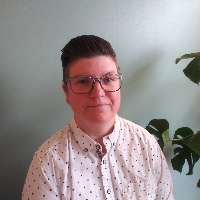
Carissa Streich
Compassionate, evidence-informed care for life challenges
LICSW Washington
- Experience
- 9 years in practice
- Focus areas
- Stress, Anxiety, LGBT, Trauma and abuse
- Approaches
- Cognitive Behavioral Therapy (CBT), Client-Centered Therapy
- Languages
- English
About Carissa
Carissa Streich is a licensed independent clinical social worker (LICSW) in Washington who blends practical, evidence-informed techniques with a compassionate, strengths-based orientation.
Background and approach
She draws on Cognitive Behavioral Therapy along with psychodynamic ideas and trauma-informed practices to address concerns such as depression, anxiety, stress, grief, and the effects of trauma and abuse. Her style is warm and direct, and she adapts pacing and interventions to the individual needs and goals of each client.
With nine years of professional experience, Carissa has supported people facing a broad range of life challenges, including relationship and family problems, coping with life changes, workplace stress, addictions, and issues related to sexuality and LGBT identity.
She also works with clients managing bipolar disorder, eating concerns, self-harm, and compassion fatigue, and has additional experience with blended family issues, divorce and separation, polyamory or non-monogamous relationships, and first responder or veteran-related matters. Carissa emphasizes respect, sensitivity, and empowerment in the therapeutic process.
She helps clients build skills, explore patterns, and develop practical strategies while honoring each person’s unique history and values.
How therapeutic approaches translate to online care
Carissa commonly integrates Cognitive Behavioral Therapy and Client-Centered Therapy into her online work. Cognitive Behavioral Therapy focuses on identifying patterns of thought and behavior that contribute to distress and teaching concrete skills to change those patterns, which can be useful for anxiety, depression, stress, and coping with life changes. Client-Centered Therapy emphasizes empathetic listening, acceptance, and collaboration so clients feel heard and can explore their values and goals at their own pace.Choosing the right approach is treated as a collaborative process. The therapist will work with each person to explore goals, preferences, and what feels most helpful, then tailor pacing and techniques accordingly rather than imposing a single method from the start.
Online therapy offers practical flexibility through video calls, phone sessions, live chat, or text-based messaging, making it easier to schedule around work, family, or other commitments. These options allow clients to access consistent support and skills-focused work from different locations while maintaining continuity of care with a licensed professional.
Frequently asked questions
What kinds of concerns does this therapist address?
How would you describe the therapeutic approach and style?
What is the therapist's professional background?
What credentials and location are on record?
Are services offered in other languages or to international clients?
Which session formats are available?
How is cost handled for sessions?
What steps do I take to begin working together?
Areas of expertise
Primary focus
Also works with
Additional focus areas
Therapeutic approaches
Experience
9+ years
Licensed
Washington
Languages
English