
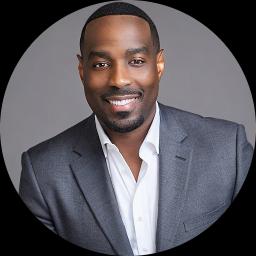
Capus Barnett
Practical strategies for life changes and emotional health
LCSW, CSW Georgia
- Experience
- 5 years in practice
- Focus areas
- Stress, Anxiety, Addictions, LGBT
- Approaches
- Cognitive Behavioral Therapy (CBT), Acceptance and Commitment Therapy (ACT)
- Languages
- English
About Capus
Capus Barnett is a licensed clinical social worker (LCSW) based in Georgia who focuses on helping adults manage stress, anxiety, addiction, grief, depression, and a wide range of life challenges.
Background and approach
With five years of professional experience and prior CSW designation, he combines practical strategies and empathic listening to support people working through trauma, relationship difficulties, parenting concerns, ADHD, and career or financial stressors.
He draws on several evidence-informed methods including Cognitive Behavioral Therapy (CBT), Acceptance and Commitment Therapy (ACT), attachment-based perspectives, client-centered care, and skills from Dialectical Behavior Therapy (DBT). Barnett emphasizes collaborative problem solving and tailored techniques so clients can develop coping skills, improve emotional regulation, and address specific concerns like substance use, intimacy issues, or compassion fatigue.
Sessions are provided in various online formats to fit differing schedules and preferences. Clients who connect with Barnett can expect a solution-oriented, respectful approach that aims to identify meaningful goals and build practical steps toward them.
His practice addresses many complex topics such as adoption and foster care, gender dysphoria, hearing impairment considerations, HIV/AIDS support, hoarding, infidelity, and other interpersonal or life transition issues.
Therapeutic approaches and flexible online care
CBT helps people identify unhelpful thought patterns and test new behaviors; it is often used to reduce anxiety, manage mood symptoms, and develop practical coping strategies. Acceptance and Commitment Therapy (ACT) focuses on clarifying values and learning acceptance skills so individuals can move toward meaningful goals even when difficult feelings are present. Attachment-based work explores early relationship patterns and how they affect current connections, which can help with intimacy issues, communication problems, and rebuilding trust.Choosing the right approach is part of therapy, and the therapist treats this as a collaborative process. He will work together with each client to assess needs, preferences, and goals, then combine methods like CBT, ACT, or attachment-informed techniques to create a personalized plan that fits the client's situation.
Online sessions are offered via video calls, phone sessions, live chat, or text-based messaging to increase accessibility and scheduling flexibility. These options make it easier to receive consistent care while balancing work, family, or other responsibilities, and allow clients to engage in therapy in ways that feel most comfortable to them.
Frequently asked questions
What kinds of concerns can I bring to sessions?
What therapeutic style does the therapist use?
How much clinical experience does the therapist have?
Where is the therapist licensed and located?
Can non-English speakers work with this therapist?
Which session formats are available?
How is payment or cost handled?
What are the first steps to begin therapy?
Areas of expertise
Primary focus
Also works with
Additional focus areas
Therapeutic approaches
Experience
5+ years
Licensed
Georgia
Languages
English