
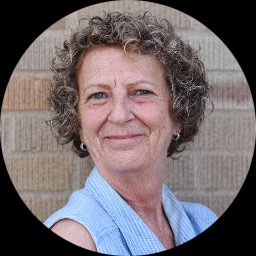
Candice Yeargin
Supportive skills-based care for life transitions
LCPC Illinois
- Experience
- 20 years in practice
- Focus areas
- Stress, Anxiety, Addictions, Relationship
- Approaches
- Cognitive Behavioral Therapy (CBT), Attachment-Based Therapy
- Languages
- English
About Candice
Candice Yeargin is a licensed clinical professional counselor (LCPC) who blends practical, evidence-informed methods with a warm, person-centered stance.
Background and approach
With 20 years of experience, she commonly draws on Cognitive Behavioral Therapy alongside trauma-focused and client-centered techniques to help people address stress, anxiety, mood concerns, addiction, grief, relationship and family difficulties, and life transitions. She emphasizes collaborative goal-setting so clients lead the work while she provides structure, skills, and feedback.
Candice frames therapy as an individualized process rather than a one-size-fits-all program, adapting approaches to match each person’s needs and preferences. Her background includes a bachelor's degree in Criminal Justice and a master's in Education with a concentration in Community Counseling, and she has practiced since obtaining licensure in Illinois in 1999.
She accepts English-speaking and international clients and offers flexible session formats to accommodate different schedules and circumstances. Known for an open, honest style, she aims to create a compassionate, nonjudgmental space where difficult topics can be explored and actionable plans developed.
Clients work toward clearer coping strategies, improved communication, and greater self-awareness while being supported through challenging material and life changes.
How CBT and Relational Work Translate to Online Care
Many of her primary techniques transfer well to remote settings. Cognitive Behavioral Therapy (CBT) focuses on identifying unhelpful thought patterns and developing practical coping skills; it is especially useful for anxiety, depression, stress, and some addiction-related challenges because it teaches concrete strategies clients can practice between sessions. Attachment-Based Therapy explores how early relationships shape current patterns of relating and can help when communication, trust, and closeness are central concerns in a person’s life. Client-Centered Therapy prioritizes an empathic, nonjudgmental stance and helps people feel heard while they find their own solutions and goals.Finding the right mix of approaches is a collaborative process. The therapist works together with each person to determine which methods fit their needs, goals, and preferences, adjusting techniques over time as progress and circumstances change.
Online sessions offer flexibility through video calls, phone sessions, live chat, or text-based messaging, making it easier to attend from different locations and to choose formats that suit comfort and convenience. These options support consistent work on skills, allow timely check-ins when needed, and help integrate therapy into busy lives while maintaining the same therapeutic aims as in-person care.
Frequently asked questions
What types of concerns does she address?
How would you describe her therapeutic style?
What is her professional background and experience?
Where is she licensed and what are her credentials?
Does she work with nonlocal or international clients?
What session formats are available?
How are fees and billing handled?
What should someone do to begin therapy?
Areas of expertise
Primary focus
Also works with
Additional focus areas
Therapeutic approaches
Experience
20+ years
Licensed
Illinois
Languages
English