
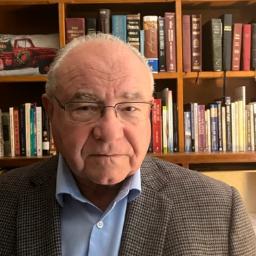
Rev. Bruce Carpenter
Skilled counselor blending clinical care and pastoral insight
LPC Texas
- Experience
- 11 years in practice
- Focus areas
- Relationship, Trauma and abuse, Grief
- Approaches
- Cognitive Behavioral Therapy (CBT), Client-Centered Therapy
- Languages
- English
About Bruce
Rev. Bruce Carpenter brings an integrative approach shaped by years of counseling and ministry work, emphasizing practical, evidence-informed methods such as cognitive behavioral strategies alongside client-centered care.
Background and approach
He frames therapy around helping people navigate difficult seasons, address traumatic experiences, and rebuild emotional resilience while attending to relationships, parenting, grief, and stress-related concerns. Raised in a multi-generational Christian household, Bruce combines pastoral experience with formal counseling training.
He holds a Master of Divinity from Brite Divinity School at Texas Christian University and a Master of Education in Counseling from the University of North Texas, and he practices as a Licensed Professional Counselor (LPC) in Texas.
His background includes work in a Child Advocacy Center serving children, teens, and non-offending adult caregivers, volunteer roles with emergency medical services, and experience in trauma-focused interventions. Known for a respectful, listening-oriented stance, he aims to help clients identify roots of persistent problems, develop coping skills, and move toward greater daily functioning and hope.
With 11 years of clinical experience, Bruce integrates trauma-focused methods, Gottman-informed relationship work, and solution-focused techniques to tailor care to each person’s needs.
Approaches and Online Care for Relationships and Trauma
Rev. Bruce Carpenter uses Cognitive Behavioral Therapy to help clients identify unhelpful thought patterns and develop practical strategies for managing anxiety, depression, and stress-related symptoms. He also draws on Trauma-Focused Therapy to address the impacts of traumatic experience, using focused interventions to support recovery and emotional regulation. Additionally, client-centered principles guide his work by prioritizing empathic listening and building a collaborative therapeutic relationship that helps clients feel heard and respected.Choosing the right approach is a collaborative process; the therapist works with each person to match methods to their specific concerns, goals, and preferences. Together they review which techniques fit best and adjust the plan over time so treatment aligns with the client’s evolving needs.
Online sessions offer flexible access to these methods through video calls, phone sessions, live chat, or text-based messaging. This variety makes it easier to fit therapy into busy schedules, maintain continuity of care during life changes, and receive support from Texas or from international locations when appropriate.
Frequently asked questions
What kinds of concerns does this therapist address?
How would you describe the therapeutic style used?
What is his professional background and experience?
Where is the therapist licensed and located?
Can sessions be conducted in languages other than English?
What session formats are available for remote work?
How is cost handled for therapy services?
What are the steps to begin working together?
Areas of expertise
Primary focus
Also works with
Additional focus areas
Therapeutic approaches
Experience
11+ years
Licensed
Texas
Languages
English