
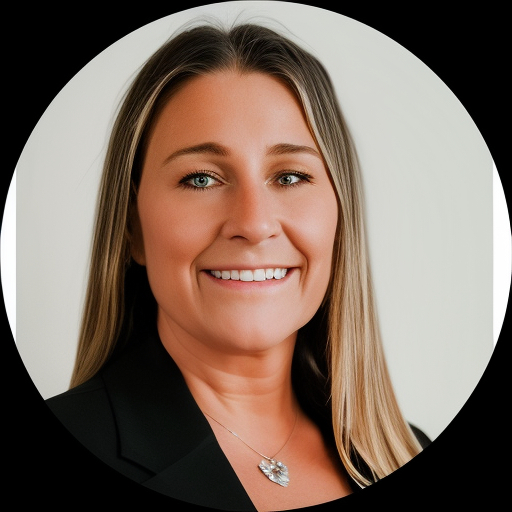
Taralynn Peak
Trauma-informed care with practical strategies
LCSW New Jersey
- Experience
- 13 years in practice
- Focus areas
- Stress, Anxiety, Addictions, Trauma and abuse
- Approaches
- Cognitive Behavioral Therapy (CBT), Client-Centered Therapy
- Languages
- English
About Taralynn
Taralynn Peak is a licensed clinical social worker (LCSW) with 13 years of experience supporting people through stress, anxiety, addiction, depression, trauma, and self-esteem challenges.
Background and approach
She draws on a range of evidence-informed methods to help clients identify patterns, build practical coping skills, and navigate the effects of traumatic experiences and mood disorders. Her practice also includes work with drug and alcohol addiction, impulsivity, first responder issues, and veteran and armed forces concerns.
Her style blends compassion with a strengths-based focus, inviting clients to explore their history while learning concrete strategies for managing symptoms and making sustainable changes. Taralynn uses approaches such as Cognitive Behavioral Therapy, DBT skills, EMDR techniques, Motivational Interviewing, and client-centered methods to tailor care to each person’s situation.
Based in New Jersey, she offers a professional, collaborative partnership aimed at helping clients regain stability and develop resilience over time.
Practical therapeutic approaches for online work
Taralynn commonly uses Cognitive Behavioral Therapy (CBT) to help clients identify and change unhelpful thinking and behavior patterns; CBT is useful for anxiety, depression, and stress-related problems by teaching concrete skills and structured exercises. She also integrates Dialectical Behavior Therapy (DBT) skills to support emotional regulation, distress tolerance, and interpersonal effectiveness for people struggling with impulsivity and mood instability. When trauma is a central concern, elements of Eye Movement Desensitization and Reprocessing (EMDR) may be employed to help process distressing memories and reduce their emotional impact.Finding the right mix of approaches is a collaborative process. The therapist works with each person to assess symptoms, goals, and preferences and then adapts methods over time so the treatment plan fits practical needs and therapeutic aims.
Online formats offer flexible ways to engage in this work, including video calls for face-to-face interaction, phone sessions when video is not possible, and live chat or text-based messaging for brief check-ins or ongoing support. These options make it easier to maintain continuity of care and integrate skill practice into daily life while accommodating differing schedules and access needs.
Frequently asked questions
What concerns does this therapist commonly address?
What therapeutic approach can I expect in sessions?
How much clinical experience does the therapist have?
What credentials and location are associated with this therapist?
Are sessions offered in other languages or to international clients?
Which session formats are available for online work?
How is cost handled for sessions?
What are the steps to begin therapy with this clinician?
Areas of expertise
Additional focus areas
Therapeutic approaches
Experience
13+ years
Licensed
New Jersey
Languages
English