
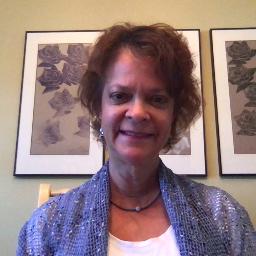
Susan Wildemann
Experienced LCSW blending practical therapy approaches
LCSW New York
- Experience
- 33 years in practice
- Focus areas
- Stress, Anxiety, Relationship, Grief
- Approaches
- Cognitive Behavioral Therapy (CBT), Mindfulness Therapy
- Languages
- English
About Susan
Susan Wildemann is a licensed clinical social worker (LCSW) with 33 years of experience based in New York.
Background and approach
She earned her MSW and has spent decades helping people navigate depression, anxiety, grief, relationship strain, trauma, and life transitions, while also supporting those coping with intellectual disability and chronic medical challenges. Her practice embraces a broad clinical background that draws on multiple therapeutic traditions to match the needs of each person.
Her style is described as warm, interactive, and compassionate, emphasizing respect and sensitivity without relying on stigmatizing labels. Susan commonly uses Cognitive Behavioral Therapy as part of her work, alongside mindfulness, psychodynamic, solution-focused, and trauma-focused methods.
She tailors treatment plans to the individual's situation and priorities, working collaboratively to set goals and refine strategies over time. Susan aims to empower clients who are ready to make changes, offering practical tools for managing symptoms like sleep disruption, anger, or compassion fatigue while addressing deeper patterns that affect relationships, career, and self-esteem.
Prospective clients can expect a personalized, nonjudgmental approach grounded in long clinical experience.
Online Therapy Approaches and How They Help
Cognitive Behavioral Therapy focuses on identifying and changing unhelpful thoughts and behaviors; it provides concrete strategies for managing anxiety, depression, sleep problems, and everyday stressors. Mindfulness Therapy teaches present-moment awareness and self-compassion skills that can reduce rumination and improve emotional regulation, which is useful for grief, chronic pain, and compassion fatigue. Trauma-Focused Therapy attends directly to the effects of past traumatic experiences, offering structured ways to process distress and develop coping resources for symptoms related to trauma and abuse.
Finding the right approach is part of the therapeutic process, and the therapist works collaboratively with each client to decide which methods fit best. Goals, preferences, and practical needs guide the selection and adaptation of techniques so treatment can be reshaped over time as progress and challenges emerge.
Online sessions are offered by licensed professionals through video calls, phone sessions, live chat, or text-based messaging to increase flexibility and access. These formats make it easier to fit therapy into busy schedules, maintain continuity across life changes, and choose the communication style that feels most comfortable while working toward meaningful, practical change.
Frequently asked questions
What kinds of concerns does she help with?
What is her general therapeutic style?
How long has she practiced?
What credentials and location are listed?
Does she work in other languages or with international clients?
Which session formats are available?
How is cost handled?
What are the first steps to begin therapy?
Areas of expertise
Primary focus
Also works with
Additional focus areas
Therapeutic approaches
Experience
33+ years
Licensed
New York
Languages
English