
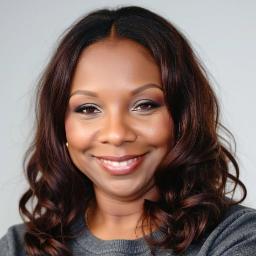
Latanya Richardson
Compassionate, pragmatic therapy for family and trauma
LMSW Michigan
- Experience
- 10 years in practice
- Focus areas
- Family, Trauma and abuse, Parenting
- Approaches
- Cognitive Behavioral Therapy (CBT), Client-Centered Therapy
- Languages
- English
About Latanya
Latanya Richardson draws on a client-centered framework anchored in Cognitive Behavioral Therapy to help people address family challenges, trauma, parenting concerns, and mood-related struggles. As an LMSW with a decade of practice in Michigan, she combines practical interventions with attentive listening to tailor care to each person's situation.
Background and approach
Her background includes crisis work and direct intervention, which informs her emphasis on safety planning and clear, actionable steps when stressors become overwhelming. Her approach blends several evidence-informed methods including CBT, emotionally-focused techniques, mindfulness practices, and motivational interviewing to support change in thinking, feeling, and behavior.
Richardson applies these methods flexibly across concerns such as depression, self-esteem, post-traumatic stress, and complex family dynamics. She also works with issues that arise across the lifespan, like aging and geriatric matters, caregiver stress, hospice and end-of-life counseling, and financial or life-purpose challenges.
With an orientation toward collaboration and real-world solutions, she helps clients identify goals and develop practical coping strategies.
How online therapy and approaches work together
Latanya Richardson incorporates Cognitive Behavioral Therapy to help clients identify unhelpful thinking patterns and develop specific skills for changing behavior and mood. CBT is practical and goal-oriented, often used for depression, mood disorders, and trauma-related symptoms. She also uses Client-Centered Therapy, which focuses on creating a respectful, nonjudgmental space where clients' perspectives shape the work and personal strengths guide goal-setting. Emotionally-Focused Therapy is applied when relational patterns and emotional expression are central, helping people access and reprocess emotions to improve connections and regulation.Choosing the right approach is a collaborative process. The therapist works with each person to assess needs, preferences, and goals, and then combines methods to form a personalized plan. That partnership means techniques can be adjusted over time as priorities or circumstances change.
Online formats available include video calls, phone sessions, live chat, and text-based messaging, which provide scheduling flexibility and multiple ways to engage. These options make it easier to maintain continuity of care around work, caregiving, or other commitments while still accessing licensed professionals and tailored therapeutic work.
Frequently asked questions
What kinds of concerns does this therapist address?
How would you describe the therapeutic style and approach?
What is the clinician's background and experience?
Where is the therapist based and what credentials are listed?
Which languages are available for sessions and can international clients join?
What session formats are offered for online work?
How is cost handled for therapy sessions?
What are the steps to begin working with this therapist?
Areas of expertise
Primary focus
Additional focus areas
Therapeutic approaches
Experience
10+ years
Licensed
Michigan
Languages
English