
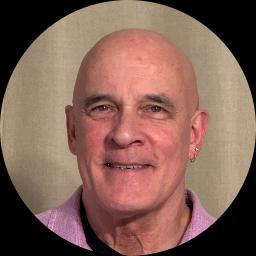
John Cook
Calm guidance for recovery and connection
LCSW Alaska
- Experience
- 40 years in practice
- Focus areas
- Addictions, Relationship, Trauma and abuse
- Approaches
- Cognitive Behavioral Therapy (CBT), Client-Centered Therapy
- Languages
- English
About John
John Cook is an LCSW who brings four decades of professional experience to work with people confronting addictions, relationship difficulties, trauma and abuse, intimacy-related concerns, and depression.
Background and approach
Based in Alaska, he draws on long-term clinical practice and time spent training and supervising other clinicians to guide clients through complex emotional and behavioral patterns. His background includes work with mood disorders, panic, post-traumatic stress, social anxiety, and issues such as guilt, shame, and isolation.
He favors an open, nonjudgmental approach that helps clients explore their thoughts and feelings while developing practical coping strategies. Using a blend of evidence-based methods, John balances skill-building and problem solving with empathic listening to support recovery and better functioning.
He frames early steps toward change as courageous and collaborates with each person to set realistic goals and refine plans as progress unfolds.
Approaches that guide online work and practical access
John draws from Cognitive Behavioral Therapy to help clients identify unhelpful thinking patterns and develop concrete skills for mood and anxiety concerns; CBT is often used for issues like depression, panic, and social anxiety. He also uses Client-Centered Therapy, which emphasizes empathic listening and a nonjudgmental stance so clients can explore feelings and values at their own pace. A third foundation in his work is Dialectical Behavior Therapy, which offers skills for emotional regulation, distress tolerance, and interpersonal effectiveness useful when impulsivity, intense emotions, or relationship conflict are present.Finding the right mix of methods is part of the therapeutic process. He approaches treatment collaboratively, discussing goals and preferences and adjusting techniques as needs change so the plan fits the person's situation rather than applying a single template.
Online sessions are offered by video calls, phone sessions, live chat, or text-based messaging to increase flexibility and access. These formats make it simpler to fit therapy into busy schedules or when in-person visits are difficult, while still allowing regular contact with a licensed professional and ongoing work on skills, coping strategies, and meaningful goals.
Frequently asked questions
What concerns does John frequently address?
What is his therapeutic style and approach?
How much clinical experience does he have?
Where is he licensed and what are his credentials?
Does he offer services in other languages or to international clients?
What session formats are available for working together?
How are fees handled for sessions?
How do I begin if I want to work with him?
Areas of expertise
Primary focus
Additional focus areas
Therapeutic approaches
Experience
40+ years
Licensed
Alaska
Languages
English