
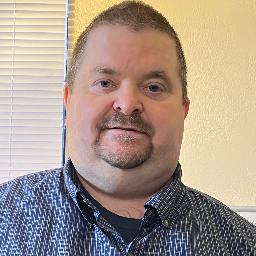
James Gilligan
Experienced LCSW blending evidence-based therapies
LCSW Florida
- Experience
- 20 years in practice
- Focus areas
- Stress, Anxiety, Addictions, Trauma and abuse
- Approaches
- Cognitive Behavioral Therapy (CBT), Attachment-Based Therapy
- Languages
- English
About James
James Gilligan is a licensed clinical social worker with two decades of practice helping people manage stress, anxiety, trauma, mood disorders, and addiction-related concerns.
Background and approach
He draws on a range of clinical approaches to support clients facing grief, relationship and intimacy challenges, sleep and eating difficulties, parenting and career stress, and compassion fatigue. His work also addresses attachment and abandonment concerns, codependency, communication problems, and veteran and armed forces issues.
Gilligan began his clinical training with a Master of Social Work from Florida International University and earned his Florida LCSW in 2000. Early in his career he provided individual, group, and family therapy in Miami-Dade schools and later worked with people experiencing severe mental illness, including bipolar disorder and major depression.
Since 2007 he has worked with active duty military, focusing on marital problems, anxiety, PTSD, domestic violence, and related family-system trauma. He has training in Gottman marriage counseling and uses evidence-informed methods such as CBT, DBT, EMDR, attachment-based and client-centered approaches to help clients identify goals and make meaningful changes.
Evidence-Informed Approaches Adapted for Online Care
James often draws on Cognitive Behavioral Therapy (CBT) to help people identify unhelpful thinking and develop practical skills for managing anxiety, depression, and stress. CBT focuses on the link between thoughts, feelings, and behaviors and supports concrete strategies for change.He also integrates attachment-based therapy to explore how early relationship patterns shape current connections and emotional responses, which can be useful for intimacy, communication, and codependency concerns. Client-centered techniques are used alongside these approaches to ensure sessions remain paced around the client's experience and goals.
Choosing the right approach is collaborative: the therapist works with each person to determine which methods fit their needs, goals, and preferences, and may combine techniques as therapy progresses. This collaborative process helps shape a tailored plan rather than relying on a single protocol.
Online therapy options include video calls, phone sessions, live chat, and text-based messaging, offering flexibility for scheduling and different communication styles. These formats can make it easier to maintain regular sessions while balancing work, family, or other commitments, and they allow ongoing access to therapeutic tools and skills between appointments.
Frequently asked questions
What concerns does this therapist commonly address?
What therapeutic approaches and style does he use?
How long has he been practicing clinically?
Where is he licensed and based?
Which languages are available for sessions?
What session formats are offered?
How are sessions paid for and what does cost look like?
How do I begin working with this therapist?
Areas of expertise
Also works with
Additional focus areas
Therapeutic approaches
Experience
20+ years
Licensed
Florida
Languages
English